Technology

Top 10 Best Phones Under ₹20,000 in India (2026)

The smartphone market under ₹20,000 in India has become extremely competitive in 2026. Buyers no longer need to spend a premium amount to get a good display, strong performance, reliable cameras, and fast charging. Most brands are now offering feature-packed smartphones that can easily handle daily use, gaming, photography, and long-term usage. However, with so many options available, choosing the right phone can be confusing. To make things easier, we have carefully selected the best phones under ₹20,000 in India (2026) based on real-world performance, camera quality, battery backup, software experience, and overall value. 1. Realme P3 Pro 5G Price: ₹19,999 The Realme P3 Pro is one of the most balanced smartphones you can buy under ₹20,000 in 2026. It offers a premium design along with powerful hardware and long-lasting battery life. The phone features a 1.5K curved AMOLED display with a 120Hz refresh rate. The screen looks sharp, colours are vibrant, and scrolling feels very smooth. The curved design also gives it a premium flagship-like feel. Performance is handled by the Snapdragon 7s Gen 3 processor, which performs very well in daily usage and gaming. Apps open quickly, multitasking is smooth, and games like BGMI and Call of Duty run without noticeable lag. The 6000mAh battery easily lasts a full day and more. With 80W fast charging, the phone charges quickly, which is very useful for heavy users. Pros Cons 2. Nothing Phone (2a) 5G Price: ₹18,999 – ₹19,999 Nothing Phone (2a) is perfect for users who prefer a clean and smooth Android experience. The phone comes without unnecessary apps or advertisements, which is rare in this price range. It features a 6.7-inch AMOLED display with 120Hz refresh rate. The display quality is good for daily use, video streaming, and social media. The unique Glyph lighting system on the back gives the phone a distinctive look. Powered by the MediaTek Dimensity 7200 Pro, the phone delivers stable performance for everyday tasks. Camera performance is reliable, especially in daylight and portrait shots. Pros Cons 3. Samsung Galaxy F36 5G Price: ₹17,499 The Samsung Galaxy F36 is ideal for users who plan to keep their phone for many years. Samsung offers up to six years of Android and security updates, which is unmatched under ₹20,000. The phone comes with a Super AMOLED display with 120Hz refresh rate, delivering excellent colour quality and brightness. Camera performance is dependable with natural colours and good stabilisation. While the performance is not gaming-focused, it remains smooth for daily use like calls, browsing, social media, and video streaming. Pros Cons 4. CMF Phone (2) Pro Price: ₹18,999 CMF Phone (2) Pro stands out mainly because of its camera setup. It is one of the few phones under ₹20,000 to offer a telephoto camera, which helps with better portraits and optical zoom shots. The AMOLED display is bright and smooth, making it good for daily usage. The software experience remains clean and easy to use. Battery life is reliable and comfortably lasts a full day with normal usage. Pros Cons 5. Oppo K13 5G Price: ₹17,999 If battery life is your top priority, the Oppo K13 is one of the best choices. It packs a massive 7000mAh battery, which easily delivers up to two days of usage. Despite the big battery, the phone supports 80W fast charging, which helps reduce charging time. The AMOLED 120Hz display provides a smooth viewing experience. Performance is stable for daily tasks and casual gaming. Pros Cons 6. Poco X6 Pro 5G Price: ₹19,999 The Poco X6 Pro is the best option for users who want high performance under ₹20,000. It is powered by the MediaTek Dimensity 8300 Ultra, which offers flagship-level power. The phone handles heavy games very well and also features UFS 4.0 storage, which improves speed and responsiveness. The 1.5K AMOLED display further enhances gaming and multimedia experience. Pros Cons 7. iQOO Z10R 5G Price: ₹19,499 The iQOO Z10R is designed for entertainment lovers. It comes with a large curved AMOLED display, making movies and web series more immersive. The display is bright, supports HDR, and performs well indoors and outdoors. Battery life is solid, and charging speeds are decent. Pros Cons 8. Lava Agni 3 5G Price: ₹19,999 (with offers) Lava Agni 3 is one of the most unique smartphones under ₹20,000. It features a secondary AMOLED display on the back, which can be used for notifications, selfies, and music control. The phone runs clean Android without ads and offers decent overall performance. Pros Cons 9. Motorola Edge 50 Neo Price: ₹19,999 (during sales) Motorola Edge 50 Neo offers a compact form factor with premium build quality. The pOLED 144Hz display looks sharp and smooth. The near-stock Android experience ensures clean software and good long-term usability. Pros Cons 10. Samsung Galaxy M34 5G Price: ₹16,999 Samsung Galaxy M34 remains a good budget option for users who want strong battery life and a trusted brand. It comes with a Super AMOLED display and a large battery, making it suitable for daily use. Pros Cons Buyer Guide: Which One Should You Choose? Overall Balanced: Realme P3 Pro Best for Gaming: Poco X6 Pro Best Camera: CMF Phone (2) Pro Best Battery: Oppo K13 Best Software: Nothing Phone (2a) Best Long-Term Use: Samsung Galaxy F36 Final Conclusion In 2026, the ₹20,000 smartphone segment is rich with value. Each phone here serves a specific need — whether you care more about performance, camera quality, design, battery life, or software experience. For most users, Realme P3 Pro offers the best balance of features. Pick based on your priority, and you’ll get excellent experience without paying more. Phone Price Processor Display Camera Battery Best For Realme P3 Pro ₹19,999 Snapdragon 7s Gen 3 1.5K Curved AMOLED 50MP (OIS) 6000mAh, 80W Overall Best Nothing Phone (2a) ₹18,999 Dimensity 7200 Pro AMOLED 120Hz 50MP + 50MP 5000mAh Clean Software Samsung Galaxy F36 ₹17,499 Exynos 1380 Super AMOLED 120Hz 50MP (OIS) 5000mAh Long-term Use CMF Phone (2) Pro ₹18,999 Dimensity 7300 AMOLED Telephoto Lens 5000mAh Best Camera Oppo K13 ₹17,999 Snapdragon 6 Gen 4 AMOLED 120Hz 50MP

Top 10 Best Phones Under ₹20,000 in India (2026) Read More »

Android 17: Release Date, Expected Features, Supported Devices and Everything We Know So Far

Google is already preparing for its next big Android version, and while Android 16 is still rolling out to many devices, early details about Android 17 have started appearing online. From its internal dessert name to expected features and release timeline, here’s a complete look at what Android users can expect in 2026. Android 17 Dessert Name (Internal Codename) Although Google stopped publicly using dessert names after Android 10, the tradition still continues internally. According to early information, Android 17 is expected to carry the dessert codename “Cinnamon Bun.”The naming follows Google’s alphabetical sequence, and since Android 16 used the codename Baklava, the next version logically moves to the letter C. At the moment, there is no official word about Android 17’s Easter egg, but it will likely appear once developer preview builds are released. Android 17 Release Timeline (Expected) Based on Google’s recent update cycle, Android 17 is expected to follow a similar schedule to Android 16. Expected timeline: As always, Pixel devices will receive the update first, while other smartphone brands may start rolling it out gradually by Q3 2026. Android 17 Supported Devices (Pixel) Google has extended software support for many Pixel phones, which means several older models are still eligible. Expected Pixel devices to receive Android 17: Thanks to Google’s extended update policy, even the Pixel 6 series is expected to receive Android 17. Android 17 Expected Features While Google hasn’t officially announced Android 17 features yet, several improvements spotted in Android 16 QPR beta builds hint at what could arrive next. 1. Lock Screen Widgets One of the most anticipated features is the return of lock screen widgets. Google has already tested a new widget hub that can be accessed by swiping on the lock screen. This section may allow users to add both system and third-party widgets, similar to iOS’s Today View. Android 17 could bring a more polished and stable version of this feature. 2. Forced Themed Icons Material You icons still look inconsistent because many apps don’t support themed icons. Android 17 may introduce forced themed icons, allowing the system to apply color tints even to unsupported apps, creating a cleaner and more uniform home screen appearance. 3. Desktop Mode Improvements Google has been quietly developing a proper Android Desktop Mode. Early builds already show features like: Android 17 could finally deliver a usable desktop experience when a phone is connected to a monitor. 4. Split Notifications and Quick Settings Google may separate notifications and Quick Settings into two different panels. With this change: Several Android skins already offer this, and Android 17 could make it official on Pixel devices. 5. AI-Based Notification Summary Android 17 is also expected to expand AI features powered by Gemini Nano. A new notification summary feature may: The processing is expected to happen on-device for privacy and speed. 6. Double-Tap to Turn Off Screen Another small but useful feature could be double-tap to lock the screen. Many manufacturers already offer this gesture, and Android 17 may finally add native support for Pixel phones. Final Thoughts Android 17 is shaping up to be a refinement-focused update rather than a massive redesign. With smarter AI features, better multitasking, improved lock screen customization, and desktop enhancements, Google seems focused on improving daily usability. While some of these features may arrive earlier through Pixel Drops, Android 17 will likely bring them together in a more stable and complete form. More details should emerge once the first developer preview goes live later this year.

Android 17: Release Date, Expected Features, Supported Devices and Everything We Know So Far Read More »

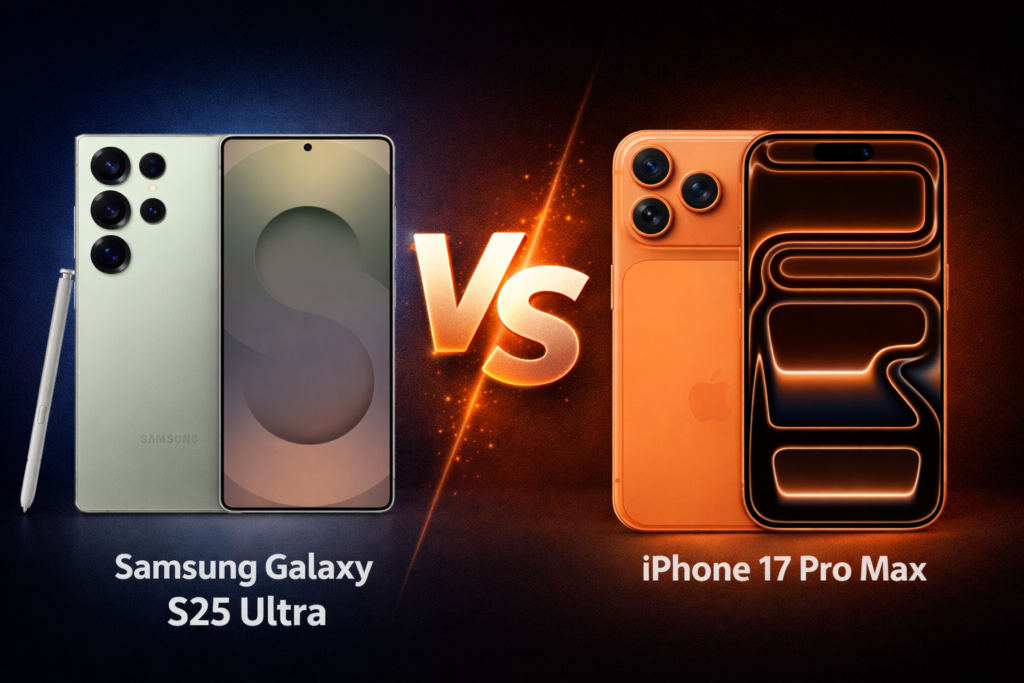
iPhone 17 Pro Max vs Samsung Galaxy S25 Ultra: Which Flagship Wins in 2026?

The flagship smartphone battle continues to heat up as Apple and Samsung push the boundaries of mobile technology. The iPhone 17 Pro Max and Galaxy S25 Ultra represent the pinnacle of what each company offers, but they take notably different approaches to achieving excellence. After spending time with both devices, here’s how they stack up against each other. Design and Build Quality Apple has refined the iPhone 17 Pro Max with slightly thinner bezels and a new titanium finish that feels less prone to fingerprints than last year’s model. The device maintains that familiar premium feel, though at 221 grams, it’s still a substantial piece of hardware. The camera bump remains prominent, but Apple has made it flow more naturally into the body. Samsung went bold with the S25 Ultra, keeping the squared-off design but shaving off more weight—it comes in at 233 grams. The integrated S Pen remains a unique advantage, and Samsung’s use of Gorilla Glass Armor on both front and back gives it excellent durability. The matte finish on the titanium frame resists smudges better than previous generations. Both phones feel like premium devices, but they cater to different preferences. The iPhone feels more refined and comfortable for extended use, while the Samsung offers more functionality with its built-in stylus. Display Technology The iPhone 17 Pro Max sports a 6.9-inch Super Retina XDR display with ProMotion technology that now scales from 1Hz to 120Hz. Apple finally increased the base brightness, and outdoor visibility has improved noticeably. The display is sharp, color-accurate, and handles HDR content beautifully. Samsung counters with a 6.8-inch Dynamic AMOLED 2X panel that’s incredibly bright—peak brightness reaches higher levels than the iPhone in direct sunlight. The S25 Ultra’s adaptive refresh rate is equally smooth, and Samsung’s anti-reflective coating genuinely makes a difference when using the phone outdoors. For pure specifications, Samsung edges ahead with slightly better peak brightness and the anti-glare technology. However, Apple’s color calibration remains exceptional, and most users would be thrilled with either display. Performance and Hardware Apple’s A19 Pro chip continues the company’s dominance in mobile processing power. Real-world performance is stellar—apps launch instantly, gaming is smooth, and even intensive tasks like 4K video editing feel effortless. The 8GB of RAM handles multitasking well, though power users might wish for more. Samsung equips the S25 Ultra with Qualcomm’s Snapdragon 8 Gen 4, paired with 12GB of RAM. The performance gap between Apple and Qualcomm has narrowed considerably. Daily tasks feel equally snappy, and the extra RAM means you can keep more apps running in the background without reloads. Gaming performance is excellent on both, though the iPhone tends to maintain more consistent frame rates during extended sessions. For productivity work, the S25 Ultra’s extra RAM and DeX desktop mode give it additional versatility. Camera Systems The iPhone 17 Pro Max features a new 48MP main sensor with improved low-light performance, a 48MP ultrawide, and an enhanced 5x telephoto. Apple’s computational photography continues to impress—photos look natural, video stabilization is class-leading, and the new sensor fusion technology produces consistently excellent results. Samsung packs a 200MP main sensor, a 50MP ultrawide, a 10MP 3x telephoto, and a 50MP 5x periscope lens. The hardware advantage is clear on paper, and Samsung leverages it well. Daytime photos are incredibly detailed, and the zoom capabilities genuinely outperform the iPhone when you need to reach beyond 5x magnification. The differences come down to processing philosophy. iPhones produce more film-like, natural images straight out of camera. Samsung offers more detail and flexibility, especially if you edit photos afterward. For video, the iPhone maintains its lead with better stabilization and more reliable autofocus. Battery Life and Charging Apple doesn’t publish exact battery capacities, but the iPhone 17 Pro Max delivers solid all-day performance. Moderate users will easily push into a second day. Charging tops out at 30W wired and 25W MagSafe wireless charging—not the fastest, but adequate. The S25 Ultra packs a 5,000mAh battery and supports 45W wired charging plus 15W wireless. In practice, both phones last a full day with mixed use, but Samsung’s faster charging gets you back to full power more quickly. The larger battery capacity gives Samsung a slight endurance edge. Neither phone will leave you stranded before bedtime with normal use, but if charging speed matters, Samsung wins this round. Software Experience iOS remains refined and straightforward. The iPhone 17 Pro Max will receive software updates for years, and the ecosystem integration with other Apple devices is unmatched. The interface is intuitive, though customization options remain limited compared to Android. Samsung’s One UI 7 over Android 15 offers far more flexibility. You can customize nearly everything, and features like split-screen multitasking and the S Pen integration add genuine productivity benefits. Samsung promises seven years of updates, matching Apple’s long-term support. Choose based on what matters more: iOS’s simplicity and ecosystem, or Android’s flexibility and customization options. Price and Value Proposition The iPhone 17 Pro Max starts at $1,199 for 256GB, with prices climbing to $1,599 for the 1TB model. No microSD expansion means you need to choose your storage carefully upfront. Samsung prices the S25 Ultra at $1,299 for 256GB, going up to $1,619 for 1TB. The base model costs $100 more than the iPhone, though you’re getting 12GB RAM versus 8GB, and the included S Pen adds value. Both are expensive flagship devices, and the price difference is minimal enough that it shouldn’t be the deciding factor. Final Verdict There’s no clear universal winner here—it depends entirely on your priorities and ecosystem preferences. Choose the iPhone 17 Pro Max if you: value ecosystem integration with other Apple devices, prefer natural-looking photos and superior video quality, want a more refined and straightforward user experience, or already live in the Apple ecosystem. Choose the Samsung Galaxy S25 Ultra if you: need the S Pen for productivity or note-taking, want more customization and flexibility, prefer faster charging and slightly better battery life, value the superior zoom capabilities, or need features like DeX mode for

iPhone 17 Pro Max vs Samsung Galaxy S25 Ultra: Which Flagship Wins in 2026? Read More »

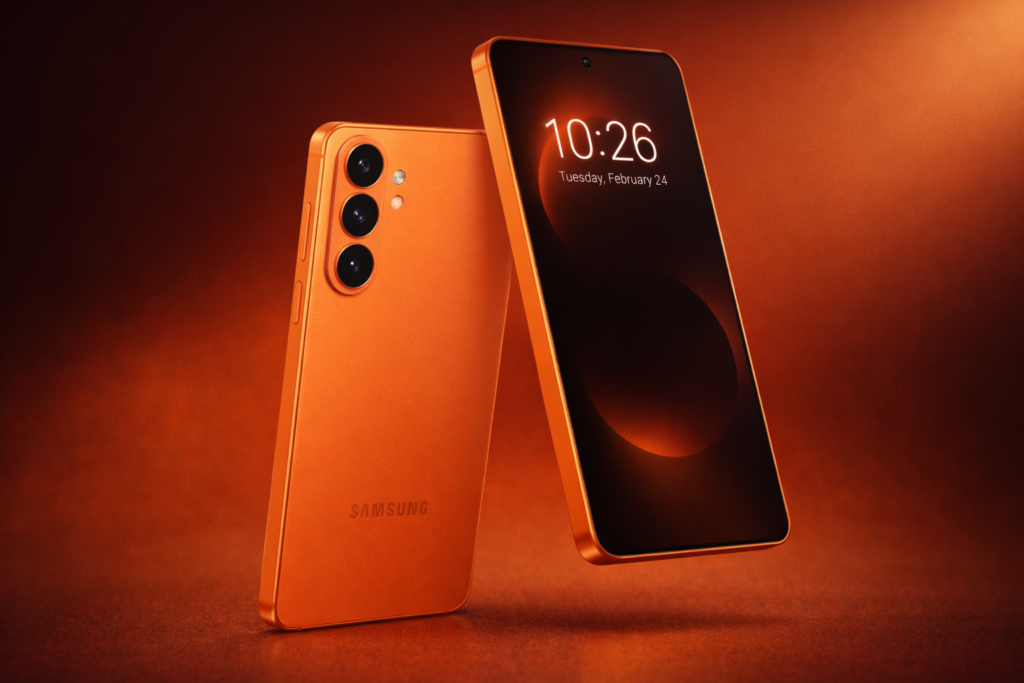
Samsung Galaxy S26: Expected Price, Specifications, Features & Launch Date

Samsung is preparing to launch its next premium flagship, the Samsung Galaxy S26, and excitement is already building among smartphone fans. As the successor to the Galaxy S25 series, this model is expected to deliver faster performance, better charging speeds, improved cameras, and smarter AI features. Moreover, Samsung plans to focus on real-world upgrades rather than just cosmetic changes. As a result, users can expect a smoother and more refined experience in daily use. Here’s everything we know so far about the Samsung Galaxy S26 expected price, specifications, features, and launch date. Samsung Galaxy S26 Expected Launch Date Samsung usually unveils its Galaxy S series during the annual Galaxy Unpacked event. Therefore, the Galaxy S26 will likely follow the same schedule. Expected timeline: Previously, Samsung launched the Galaxy S23, S24, and S25 during this period. Hence, a February launch looks very likely. Samsung Galaxy S26 Expected Price Although Samsung hasn’t confirmed the official pricing yet, past launches give us a clear idea of what to expect. Variant Expected Price Galaxy S26 ₹80,000 – ₹85,000 Galaxy S26 Plus ₹95,000 – ₹1,05,000 Galaxy S26 Ultra ₹1,30,000+ However, prices may vary depending on storage options and region. Samsung Galaxy S26 Design & Display Samsung will continue its premium design language. However, the company may introduce minor refinements for a more modern look. Expected display features: Samsung already makes some of the best smartphone displays. Therefore, the Galaxy S26 should easily maintain that reputation. Performance & Processor Performance will be one of the biggest highlights. Samsung may once again use different chipsets for different markets. Expected processors: Both chipsets promise: Memory options: As a result, users can expect smooth multitasking and lag-free performance. Samsung Galaxy S26 Camera Details Samsung focuses more on camera optimization rather than just increasing megapixels. Therefore, the Galaxy S26 will likely deliver better real-world photography. Expected rear setup: Front camera: Improvements may include: Consequently, photos should look clearer and more natural. Battery & Charging Battery life should improve noticeably this year. Expected battery: Charging support: Finally, Samsung may offer faster charging speeds compared to older Galaxy S models. Software & Galaxy AI Features The Galaxy S26 will likely run: Meanwhile, Samsung is investing heavily in Galaxy AI. Expected AI features: Additionally, Samsung may offer 7 years of Android and security updates, which is excellent for long-term users. Connectivity & Other Features Why Samsung Galaxy S26 Could Be Worth Waiting For ✔ Premium AMOLED display✔ Powerful flagship processor✔ Faster charging✔ Reliable camera performance✔ Long software support✔ Advanced Galaxy AI features Final Verdict Overall, the Samsung Galaxy S26 looks like a balanced flagship smartphone for 2026. While it may not introduce a radical redesign, Samsung focuses on performance, battery efficiency, smarter AI features, and long-term reliability. Therefore, if you want a premium Android phone that delivers consistent performance and future-proof software support, the Galaxy S26 could be a great choice. Note: These details are based on leaks and previous launch trends. Samsung will confirm official specifications at launch.

Samsung Galaxy S26: Expected Price, Specifications, Features & Launch Date Read More »

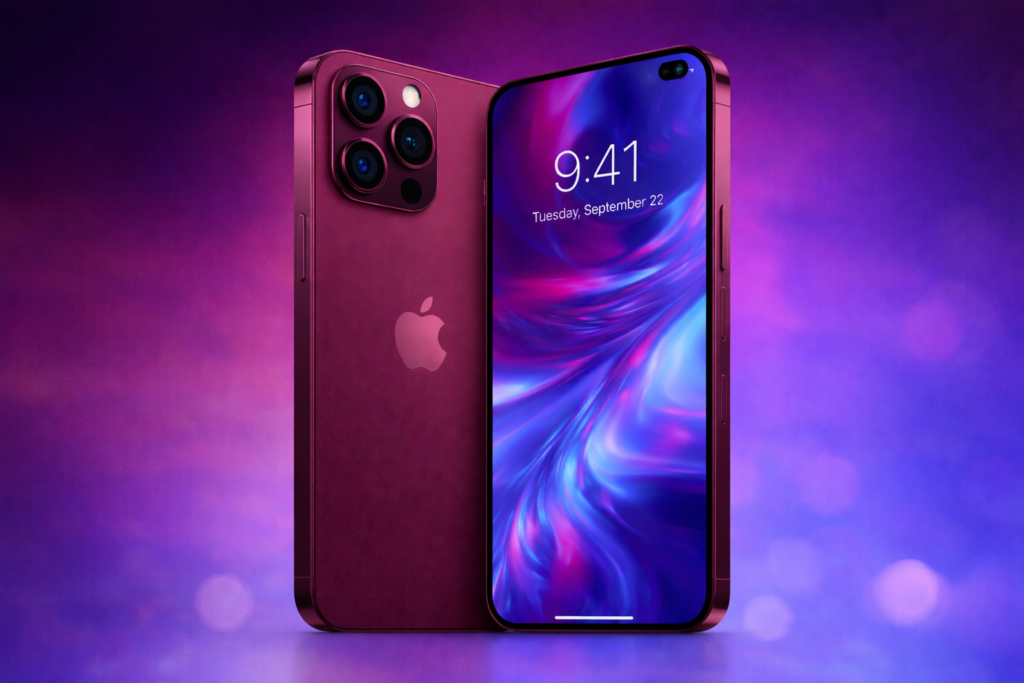
iPhone 18 Pro Leak Reveals Major Design Change, A20 Pro Chip and Advanced Camera Technology

Apple’s upcoming flagship smartphone, the iPhone 18 Pro, has reportedly appeared in a new leaked video, giving users an early look at what could be one of the biggest upgrades in recent iPhone history. Shared by popular tipster Jon Prosser, the leak highlights noticeable changes in design, display technology, camera hardware, and internal performance. Although Apple has not officially confirmed any details, the information has generated strong interest among tech enthusiasts worldwide. Fresh Design With Smaller Front Cutout One of the most noticeable changes is expected on the front of the device. For several generations, Apple has used a pill-shaped cutout for Face ID and the front camera. According to the leak, the iPhone 18 Pro may finally move some Face ID components under the display. This would allow Apple to reduce the visible cutout significantly. The leaked renders suggest: This design approach would bring the iPhone closer to modern flagship trends while still keeping Apple’s identity intact. Dynamic Island Will Continue With a New Position Despite the reduced cutout, Dynamic Island is not being removed. The leak claims that Apple plans to keep Dynamic Island but redesign its placement. It may move along with the front camera to the top-left corner of the screen, making it less intrusive during everyday use. Users can still expect: In short, Dynamic Island stays — just smarter and more compact. Camera Upgrade With Variable Aperture Technology A major highlight of the iPhone 18 Pro leak is the rear camera upgrade. Apple is reportedly testing a variable aperture system for the main camera. Unlike fixed-aperture lenses used in current iPhones, this technology allows the lens to physically adjust how much light enters. Benefits of variable aperture include: However, early reports suggest this feature may be exclusive to the iPhone 18 Pro Max, keeping it as a premium differentiation. Improved Camera Control Button Apple may also refine its physical controls. The current capacitive camera button could be replaced with a pressure-based physical button, offering: This change would be especially useful for photography and content creation. A20 Pro Chip: Next-Generation Performance At the core of the iPhone 18 Pro series is expected to be Apple’s upcoming A20 Pro processor. According to leaks: This new architecture may deliver: Early estimates suggest up to 15% faster performance and 30% better power efficiency compared to the previous generation. Apple’s In-House C2 Modem Another important internal upgrade could be Apple’s C2 modem. Apple has been working for years to reduce its dependence on external modem suppliers. With the iPhone 18 Pro, this effort may finally reach maturity. Expected advantages include: This move strengthens Apple’s long-term hardware ecosystem strategy. Display Size and Battery Expectations Based on current leaks: Battery capacity for the standard Pro model has not been revealed yet, but improvements in efficiency could still result in longer usage time. New Colour Options for Pro Models Apple may introduce more expressive colours this year. Leaked options include: These colours would mark a noticeable shift from Apple’s traditional muted Pro finishes and could appeal to users looking for a premium yet bold look. iPhone 18 Pro Expected Specifications Feature Expected Detail Display Size 6.3-inch (Pro), larger Pro Max Processor Apple A20 Pro chip Camera Variable aperture (Pro Max) Battery Up to 5,100mAh (Pro Max) Modem Apple C2 modem Front Design Punch-hole camera with smaller cutout Dynamic Island Redesigned position Launch September 2026 (expected) Note: All details are based on leaks and early reports. Final specifications may differ at launch. Expected Launch Timeline Apple is expected to launch: As this information is still early, changes are possible before the official announcement. Final Thoughts The iPhone 18 Pro leak points toward a major evolution rather than a routine yearly update. A refined front design, advanced camera hardware, next-generation chipset, and improved internal architecture could make it one of Apple’s most powerful smartphones ever. If Apple delivers even most of these features, the iPhone 18 Pro could set a new standard for premium smartphones in 2026.

iPhone 18 Pro Leak Reveals Major Design Change, A20 Pro Chip and Advanced Camera Technology Read More »

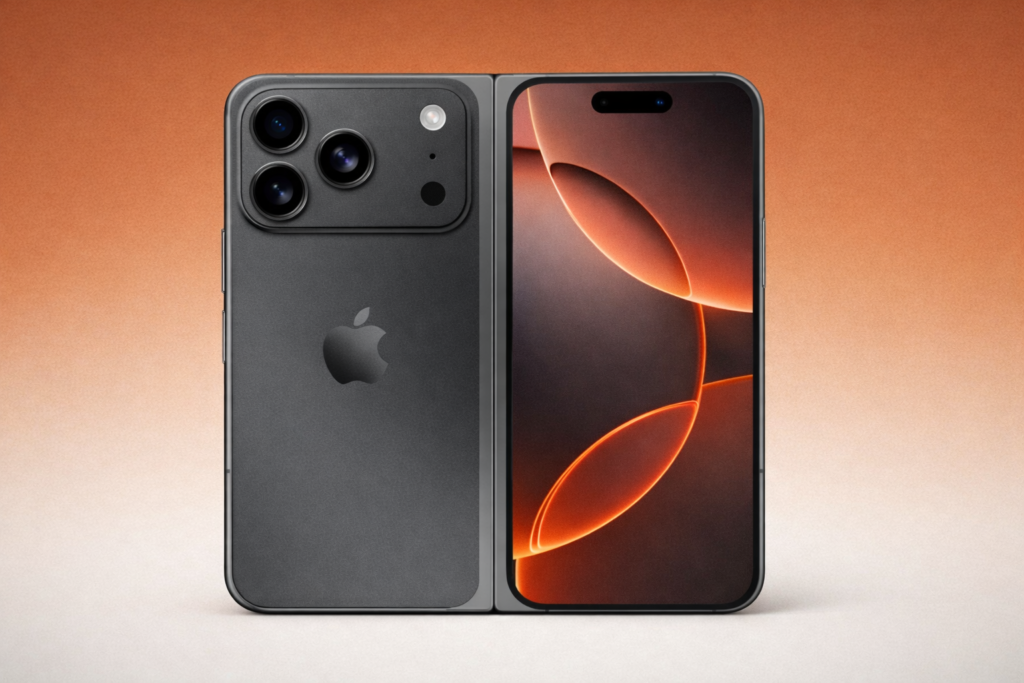
Apple iPhone Fold: Complete Details, Expected Price, Specifications, Features & Launch Timeline (2026)

Apple is reportedly developing its first-ever foldable smartphone, widely called the Apple iPhone Fold. Although the company hasn’t officially confirmed the device yet, multiple leaks and analyst reports suggest that Apple plans to enter the foldable phone market soon. Moreover, Apple usually waits until the technology feels mature. Therefore, expectations are very high for this model. In this guide, we cover everything about the iPhone Fold expected price, specifications, features, and launch timeline, based on current leaks and industry trends. Apple iPhone Fold Market Status At this stage, all information comes from supply-chain reports and trusted insiders. However, final specs may change before launch. Expected Price of Apple iPhone Fold in India The iPhone Fold will likely be Apple’s most premium and expensive smartphone. Expected pricing: This high price makes sense because foldable displays, titanium materials, and advanced hinge systems cost more to manufacture. Display Technology (Biggest Highlight) Apple will focus heavily on display quality. In fact, the company aims to reduce the visible crease, which remains a common problem in foldable phones. Main Foldable Display Cover Display Additionally, reports suggest Apple may use an advanced Samsung OLED panel for better durability and longer lifespan. Design and Build Quality Apple is known for premium design. Therefore, the iPhone Fold could feel both strong and elegant. Expected materials: Furthermore, the hinge may support over 200,000 folds. This ensures better long-term durability. Expected thickness: Processor and Performance Performance will be another major strength. Expected specs: As a result, users can expect fast multitasking, smooth gaming, and better power efficiency. Software Experience – Fold-Optimised iOS Unlike many Android foldables, Apple will likely design iOS specifically for the foldable screen. Expected features: Because of this optimization, the iPhone Fold may offer a more polished experience than most competitors. Camera Specifications (Leaked) Apple focuses on camera quality instead of adding too many lenses. Rear cameras Front cameras Video features Consequently, photos and videos should look sharp and natural. Battery and Charging To power the large displays, Apple may use a dual-cell battery design. Expected: Additionally, Apple’s software optimization could further improve battery life. Security and Biometrics Due to space limitations, Apple might skip Face ID. Instead, the phone may include: This solution saves space and keeps unlocking fast and reliable. Connectivity Options Apple iPhone Fold Launch Timeline (Rumored) However, Apple may delay the launch if the product doesn’t meet quality standards. Key Highlights at a Glance ✔ 7.76-inch foldable OLED✔ 120Hz LTPO display✔ Titanium body✔ A20 Pro chipset✔ 12GB RAM✔ Dual 48MP cameras✔ 6000mAh battery✔ Expected 2026 launch Final Verdict Overall, the iPhone Fold looks like a premium and carefully designed foldable smartphone. Instead of rushing, Apple focuses on durability, performance, and software optimization. Therefore, if Apple delivers on these promises, the iPhone Fold could become one of the most advanced foldable phones in the market. However, the high price may limit it to premium users only. More leaks and official details should appear as the 2026 launch gets closer

Apple iPhone Fold: Complete Details, Expected Price, Specifications, Features & Launch Timeline (2026) Read More »

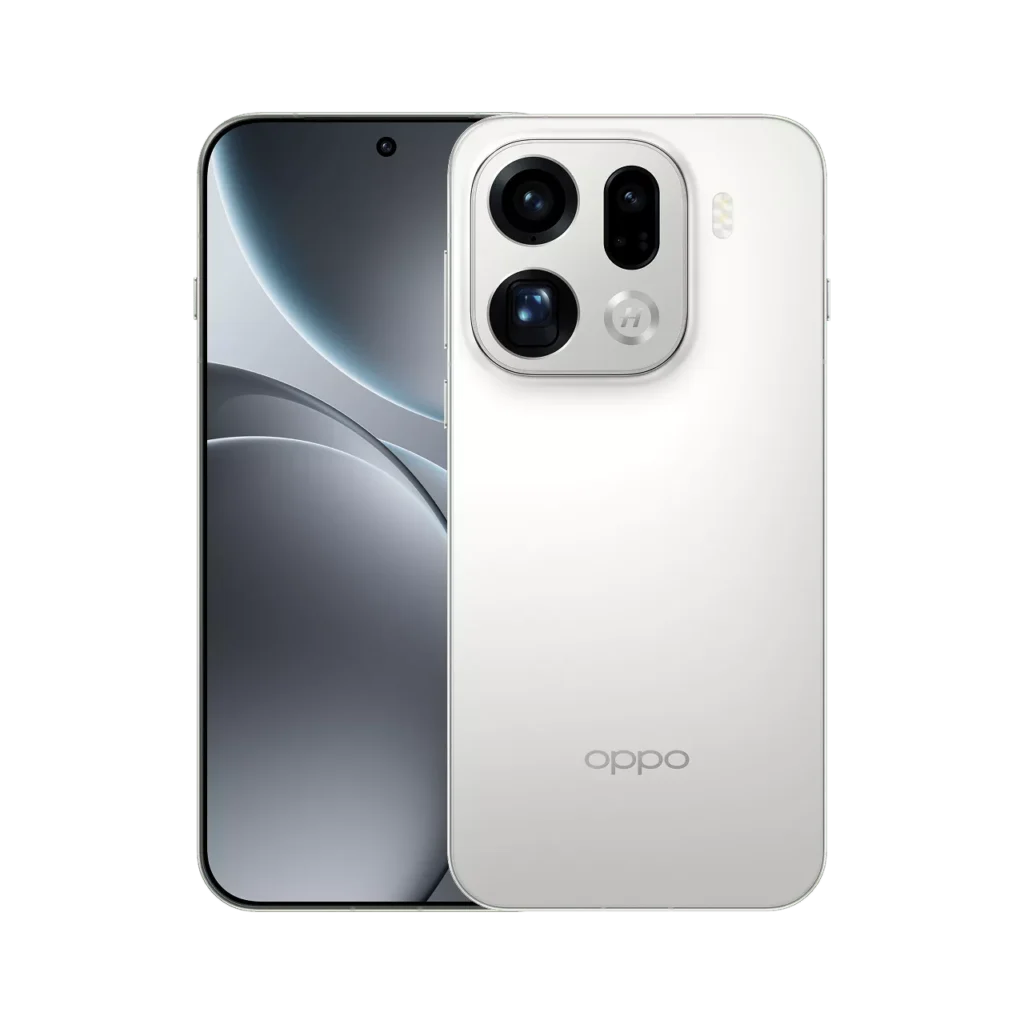
oppo-mobile.png

Best Mobile Phones Under ₹30,000 in India 2026 – Top 10 Value Picks

If you are looking for the best mobile phones under 30000 in India 2026, this detailed guide will help you choose the right smartphone. Today, this price segment offers flagship-level features at mid-range prices, including powerful performance, smooth AMOLED displays, reliable cameras, and long-lasting battery life. Moreover, brands are focusing on delivering better value than ever before. Whether you are a gamer, photography enthusiast, or everyday user, you can easily find a phone that fits your needs and budget. Therefore, after extensive research and real-world comparisons, we have shortlisted the top 10 smartphones that offer the best value for money in this segment. 1. POCO F7 5G Price: ₹27,999 onwards The POCO F7 stands out as one of the most compelling options in this segment, offering flagship-grade specifications at an incredibly competitive price point. This device is perfect for users who demand top-tier performance without breaking the bank. Key Specifications: Why Choose This: The POCO F7 delivers exceptional value with its massive battery capacity, flagship processor, and premium build quality. The IP68/IP69 rating makes it one of the most durable phones in this segment. Best For: Power users, gamers, and those who need long battery life with premium features. 2. iQOO Neo 10 5G Price: ₹29,999 onwards The iQOO Neo 10 is a gaming-focused powerhouse that delivers smooth performance with advanced cooling technology and a high refresh rate display. It’s designed for users who prioritize sustained performance during intensive tasks. Key Specifications: 3. Realme GT 7T 5G Price: ₹29,050 onwards The Realme GT 7T combines powerful performance with AI-enhanced features and a massive battery. It’s an excellent all-rounder that excels in everyday tasks and demanding applications alike. Key Specifications: Why Choose This: The Realme GT 7T offers exceptional brightness for outdoor visibility, AI-enhanced photography, and the highest IP rating in this segment. The GT Mode boosts performance when needed. Best For: Users who want AI features, excellent outdoor visibility, and rugged durability. 4. Motorola Edge 70 5G Price: ₹29,999 The Motorola Edge 70 stands out for its slim and lightweight design combined with a vibrant curved display. It’s perfect for users who value aesthetics and comfort without compromising on performance. Key Specifications: Why Choose This: Exceptionally thin and lightweight design, curved display for premium feel, clean near-stock Android experience with minimal bloatware. Best For: Users who prioritize design, comfort, and a clean Android experience. 5. OnePlus Nord 5 5G Price: ₹28,999 onwards The OnePlus Nord 5 continues the brand’s legacy of delivering smooth, fast performance with clean software. It’s an excellent choice for users who want a balanced flagship experience. Key Specifications: Why Choose This: OnePlus delivers a smooth gaming experience with the 144Hz display and clean, bloatware-free OxygenOS. The large battery ensures all-day usage. Best For: Gaming enthusiasts and users who prefer clean, fast software. 6. Xiaomi 14 Civi Price: ₹29,999 The Xiaomi 14 Civi is a style-focused flagship killer with an impressive curved display and premium design. It’s ideal for users who want aesthetics combined with solid camera performance. Key Specifications: Why Choose This: Beautiful curved display, Leica-branded cameras for photography enthusiasts, premium design that stands out. Best For: Photography lovers and design-conscious users. 7. iQOO Neo 10R 5G Price: ₹28,999 The iQOO Neo 10R is India’s slimmest smartphone with a 6,400mAh battery, combining portability with impressive battery life. It offers stable gaming performance for extended sessions. Key Specifications: Why Choose This: Unique achievement of being incredibly slim while housing a large battery. Excellent for gaming with sustained performance. Best For: Users who want a slim phone without sacrificing battery life. 8. Realme 16 Pro 5G Price: ₹29,999 (with bank offers) The Realme 16 Pro offers a bright curved display with excellent performance and reliable battery life. It’s a well-rounded device that excels in multiple areas. Key Specifications: Why Choose This: Premium quad-curved display, strong performance from Dimensity 8350, excellent battery life with fast charging. Best For: All-rounders who want balanced performance across all areas. 9. Samsung Galaxy A26 5G Price: ₹25,999 onwards Samsung’s Galaxy A26 5G brings the brand’s reliability, long-term software support, and clean user interface to the budget segment. It’s perfect for first-time smartphone users and those who value ecosystem integration. Key Specifications: Why Choose This: Samsung’s reputation for longevity, clean and easy-to-use interface, excellent for first-time users, long-term software support. Best For: First-time smartphone users, elderly users, and those who value long-term software support. 10. Xiaomi Redmi Note 15 5G Price: ₹22,999 onwards The Redmi Note 15 offers exceptional value at the lower end of this price segment. It’s a budget-friendly option that doesn’t compromise on essential features. Key Specifications: Why Choose This: Excellent value for money, good AMOLED display, reliable performance for everyday tasks, strong battery life. Best For: Budget-conscious buyers who still want 5G and good overall performance. How to Choose the Right Phone for You With so many options available, choosing the right smartphone can feel confusing. However, the good news is that the best mobile phones under 30000 in India 2026 now cover almost every need. Whether you prefer gaming, photography, long battery life, or clean software, there is a perfect device for you. Therefore, here are some simple factors to help you decide faster. For Gaming Enthusiasts If mobile gaming is your top priority, choose a phone with a high refresh rate display (120Hz or 144Hz), a powerful processor, and an advanced cooling system. Moreover, a large battery ensures longer gaming sessions without frequent charging. Best picks: iQOO Neo 10, OnePlus Nord 5, POCO F7 For Photography Lovers Camera quality matters most for content creators and photography fans. So, look for phones with OIS support, AI camera features, and good low-light performance. Additionally, color tuning also plays an important role. Best picks: Xiaomi 14 Civi, Realme GT 7T, Motorola Edge 70 For Battery Life Heavy users should focus on bigger batteries and faster charging speeds. As a result, you can use the phone all day without worrying about power. Best picks: POCO F7 (7550mAh), Realme GT 7T (7000mAh),

Best Mobile Phones Under ₹30,000 in India 2026 – Top 10 Value Picks Read More »