Technology

Samsung Unveils Galaxy S26 Series: The Most Intuitive Galaxy AI Phone Yet

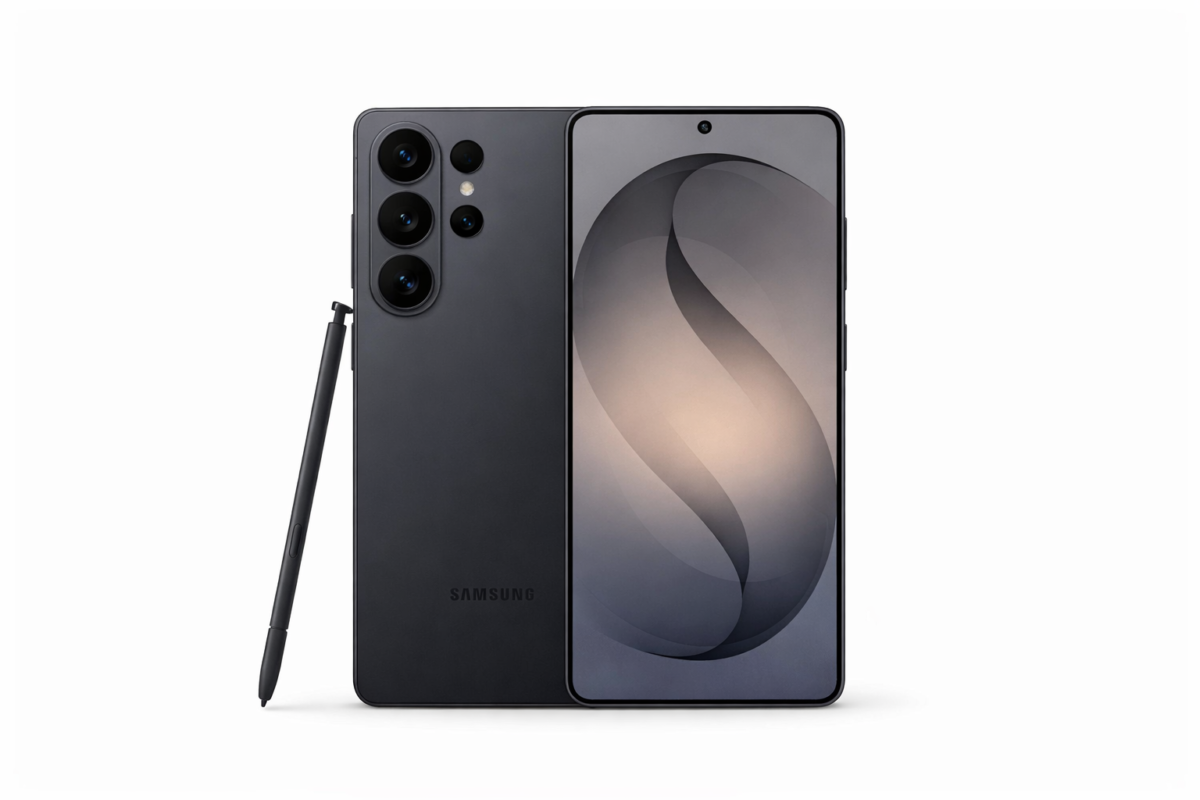
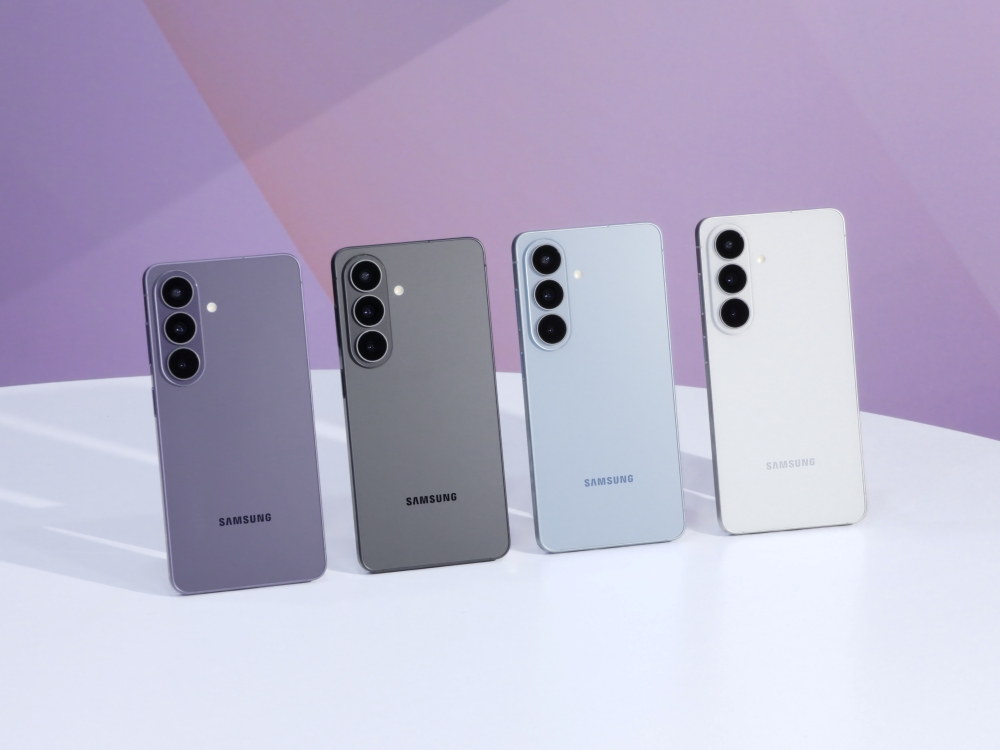
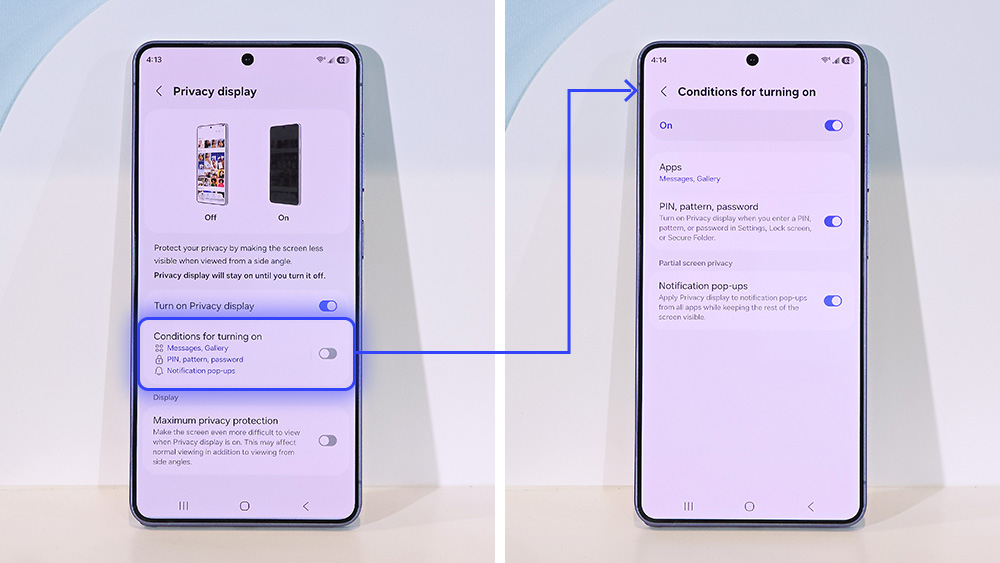
Samsung Electronics has officially launched the Galaxy S26 Series. The new lineup sets a higher standard for how an AI-powered smartphone should feel in everyday use. The devices were unveiled at Galaxy Unpacked in February 2026. The Galaxy S26 series focuses on letting technology work smoothly in the background. This approach allows users to focus on results instead of dealing with complicated processes. The lineup includes the Galaxy S26, Galaxy S26+, and Galaxy S26 Ultra. These are Samsung’s third-generation Galaxy AI phones. Their goal is to reduce effort and simplify daily tasks such as managing schedules and capturing creative content. With powerful hardware, an industry-leading camera system, and deeply integrated Galaxy AI, Samsung positions the S26 series as its most reliable and user-friendly Galaxy experience so far. A Unified Vision: Performance, Camera and AI Working as One Samsung designed the Galaxy S26 series with one clear idea in mind. All key technologies should work together seamlessly. AI, performance, and cameras are not treated as separate elements. Instead, they come together to create a single, smooth experience. This gives users confidence that their phone can be trusted throughout the day. Privacy, security, and consistency remain intact. At the center of this experience is Galaxy AI. It works proactively and adapts to user behavior. Most complex tasks happen quietly in the background. As a result, users can move from one task to another without interruptions. Design & Display: Privacy Becomes a Built-In Feature Samsung’s display innovation stands out in the Galaxy S26 Ultra. The device introduces the world’s first built-in Privacy Display for mobile phones. Unlike stick-on privacy films that reduce brightness, this solution works at the pixel level. From the front, the screen remains clear and bright. From side angles, visibility is significantly reduced. This helps protect sensitive information in places such as public transport, cafés, and shared workspaces. Users can enable privacy automatically when entering PINs or passwords. Visibility can be limited only for notification pop-ups if needed. A maximum privacy mode is also available for stronger side-angle protection. Privacy levels can be adjusted based on the situation. All of this works with minimal impact on battery life or usability. The Galaxy S26 Ultra is also the slimmest Ultra model yet. Its lightweight design makes it comfortable for long-term use. Powerful Performance Designed for Real Life The Galaxy S26 series is powered by Samsung’s most advanced hardware to date. It is built for AI performance, power efficiency, and thermal stability. On the Galaxy S26 Ultra, a customized Snapdragon 8 Elite Gen 5 for Galaxy delivers clear improvements. CPU performance is up to 19% faster, allowing quicker responses and smoother multitasking. NPU performance improves by up to 39%, supporting always-on Galaxy AI features. GPU performance also sees a boost of up to 24%, resulting in smoother visuals and gameplay. To handle this power, Samsung redesigned the Vapor Chamber cooling system. Heat is spread more efficiently across a larger surface. This keeps performance stable during gaming, video recording, or heavy multitasking. The Galaxy S26 Ultra also supports Super Fast Charging 3.0. The phone can reach up to 75% charge in around 30 minutes, reducing downtime during busy days. Industry-Leading Camera System: Capture, Edit and Share Seamlessly Samsung continues to lead in mobile photography with the Galaxy S26 series. The focus remains on making creativity easy rather than complex. Pro-Grade Camera Hardware The Galaxy S26 Ultra features a 200 MP wide camera with a larger aperture for improved low-light performance. It also includes a 50 MP telephoto camera with 5x optical zoom and 10x optical-quality zoom. Ultra-wide and telephoto support has been enhanced, and the front camera now benefits from AI ISP integration. With improved Nightography, photos and videos captured in low light appear brighter and more natural. This remains true even when zooming in. Video That’s Ready for Creators The Galaxy S26 Ultra is the first Galaxy device to support APV, a professional-grade video codec. It offers efficient compression while maintaining high visual quality. This makes it ideal for creators who edit footage multiple times. An upgraded Super Steady mode adds a horizontal lock option. This helps maintain consistent framing during action shots or uneven movement. AI-Powered Editing That Feels Natural Editing is now part of the creative flow instead of a separate step. With the upgraded Photo Assist, users can change scenes from day to night with a simple request. Missing parts of objects, such as a bitten cake, can be restored. Personal details like stains on clothing can also be cleaned up. All edits can be reviewed step by step and undone easily. Creative Studio brings all creative tools into one place. Users can turn sketches, photos, or text prompts into polished visuals. Stickers, invitations, and custom wallpapers can be created without switching apps. The Most Intuitive Galaxy AI Experience Yet Galaxy AI on the S26 series is proactive, personalized, and adaptive. It reduces the gap between intent and action. Now Nudge & Now Brief Now Nudge shows helpful suggestions at the right time. For example, it can recommend photos when someone asks for travel pictures. Now Brief delivers timely reminders for meetings, reservations, and travel updates based on personal context. Smarter Search and Assistants Circle to Search can now recognize multiple objects at once. Bixby offers a more natural, conversational assistant experience. Integration with Gemini and Perplexity makes it easier to complete multi-step tasks across apps. Together, these features move Galaxy closer to intelligent AI that anticipates needs rather than waiting for commands. Privacy & Security: Protection at Every Layer As AI becomes more personal, Samsung strengthens protection across the Galaxy S26 series. This includes a built-in Privacy Display, AI-powered Call Screening, and Privacy Alerts. A Private Album is integrated directly into the Gallery. The devices also use post-quantum cryptography to protect system integrity. Samsung Knox adds further security with Knox Vault and KEEP encryption. Seven years of security updates ensure long-term protection. This layered approach keeps users in control of their data today and in the future.

Samsung Unveils Galaxy S26 Series: The Most Intuitive Galaxy AI Phone Yet Read More »
“Samsung Galaxy S26 Series smartphones rear design with triple camera setup in violet color”

Samsung Upgrades Bixby in One UI 8.5 With Natural Voice Commands and Real-Time Web Access

Samsung announced a major update to its voice assistant, Bixby, with the release of One UI 8.5. The update brings a smarter and more conversational Bixby experience to Galaxy devices. Samsung says the new version focuses on natural voice interaction and faster access to online information. With this update, users can control their phones more easily. They no longer need to remember exact commands or search through complex settings menus. Bixby Now Understands Natural Language In One UI 8.5, Bixby supports natural voice commands. Users can speak normally instead of using fixed phrases. Bixby listens to the request and understands the user’s intent. This change makes daily tasks faster. Users can adjust settings without opening the Settings app. Samsung designed this feature to help both new and experienced users. The company calls this new approach a “conversational device agent.” It means Bixby acts directly on the device instead of only giving instructions. Easier Control Over Phone Settings The upgraded Bixby offers better control over system settings. Users do not need to know the exact name of a feature. Bixby finds the right option on its own. This saves time and reduces confusion. Users can focus on what they want to do instead of how to do it. Samsung says this improvement reduces friction during everyday phone use. Bixby also works well for people who are not familiar with advanced smartphone features. Smarter and Context-Aware Assistance Bixby can now understand what is happening on the device. It checks the current settings before giving suggestions. This helps users fix problems faster. Instead of showing generic steps, Bixby suggests relevant options. Users can apply changes directly from the assistant. This removes the need for trial and error. Samsung believes this feature makes AI more useful in real-life situations. Real-Time Web Access Inside Bixby One UI 8.5 adds real-time web access to Bixby. The assistant can fetch live information from the internet. Results appear inside the Bixby interface. Users no longer need to open a browser for quick searches. This keeps the experience smooth and uninterrupted. Samsung says this feature helps users stay focused on their tasks. By combining device control and web search, Bixby becomes a single point for actions and information. Availability and Rollout Details Samsung is rolling out the upgraded Bixby with the One UI 8.5 beta update. The update is currently available in select markets. These include India, Germany, South Korea, Poland, the United Kingdom, and the United States. Samsung has confirmed a wider rollout in the coming months. More Galaxy devices will receive the update after testing ends. Reports suggest that the stable version may launch with the Samsung Galaxy S26. Samsung has not shared an official launch date yet. The beta build includes the February 5, 2026 security patch. Language Support and Requirements Bixby supports several languages in One UI 8.5. These include English (US, UK, and India), Korean, German, French, Italian, Japanese, Spanish, Portuguese (Brazil), and Mandarin Chinese. Feature availability may vary by region and language. Users need a Samsung account and an internet connection to use some features. Samsung plans to add more language support in the future. Privacy and Data Protection Samsung says privacy remains a priority. Bixby asks for user permission when it needs location data. The assistant uses this data only to generate responses. Samsung deletes the data after completing the task. The company says it does not store location data longer than necessary. This approach aims to balance AI convenience with user trust. Why This Update Is Important The One UI 8.5 update shows Samsung’s focus on practical AI. The company wants AI to feel natural and helpful. Bixby now understands intent instead of fixed commands. This change reflects a larger industry trend. AI assistants are becoming smarter and more useful. They now act as helpers rather than tools. For Galaxy users, this means less time spent in settings and fewer interruptions. What to Expect Next Bixby has faced strong competition in the past. With One UI 8.5, Samsung is trying to redefine its role. The update shows clear progress. If Samsung continues to improve conversational AI, Bixby could become a key part of the Galaxy experience. Wider device support will be important for long-term success. Conclusion The upgraded Bixby in One UI 8.5 is a meaningful improvement. It brings natural voice commands, smarter device control, and real-time web access to Galaxy phones. Samsung aims to make everyday smartphone use faster and easier. As the stable rollout approaches, Galaxy users can expect a more intuitive and reliable AI assistant. The update positions Bixby as a practical tool for daily tasks, not just a voice feature.

Samsung Upgrades Bixby in One UI 8.5 With Natural Voice Commands and Real-Time Web Access Read More »

smatwach meta health

Meta Smartwatch 2026: Meta AI, Advanced Health Tracking, and a New Wearable Ecosystem

Meta is reportedly preparing to enter the highly competitive smartwatch market in 2026, marking a major expansion of its consumer hardware ambitions. According to multiple reports, the company is working on its first smartwatch featuring Meta AI integration, advanced health-tracking capabilities, and deep compatibility with its Ray-Ban Meta smart glasses ecosystem. If launched, this device would represent Meta’s most serious push into wearables beyond mixed-reality headsets and smart glasses, placing it in direct competition with established players such as Apple, Samsung, Google, Garmin, and Fitbit. Meta’s Growing Focus on Wearables and AI Over the past few years, Meta has steadily evolved from a social-media-centric company into a broader technology powerhouse. Its heavy investments in artificial intelligence (AI), virtual reality (VR), augmented reality (AR), and consumer hardware reflect a long-term vision where computing extends beyond smartphones and traditional screens. Products such as Meta Quest headsets and Ray-Ban Meta smart glasses represent early steps in this transformation. A smartwatch could serve as the missing link—bringing AI intelligence, health data, and gesture-based controls together into a single, always-on wearable. Project “Malibu 2”: Meta’s Smartwatch Initiative Reports suggest Meta’s smartwatch project is internally code-named “Malibu 2.” Unlike conventional smartwatches that focus primarily on notifications and fitness tracking, Meta’s device is expected to play a more active role within the company’s broader wearable ecosystem. Rather than acting as a standalone gadget, the smartwatch could function as a central hub connecting AI services, smart glasses, and future AR devices. A Potential Replacement for the Neural Wristband Meta has been experimenting with a neural wristband designed to enable gesture-based control of AR devices. While innovative, such experimental hardware may not be ideal for mass adoption. The upcoming smartwatch could replace this wristband, offering similar gesture-control capabilities in a more familiar and consumer-friendly form factor. This would allow users to control smart glasses, apps, and AI interactions through subtle hand movements—without touching a screen. Meta AI: The Core of the Smartwatch Experience One of the most significant highlights of Meta’s rumored smartwatch is the integration of Meta AI. Unlike traditional voice assistants, Meta AI is expected to operate as a proactive digital companion rather than a reactive tool. Expected Meta AI Capabilities Meta is reportedly working on new AI models, intelligent agents, and deeper system-level integrations. On a smartwatch, this could translate into real-time insights instead of passive data collection. Health Tracking: More Than Just Fitness Health and wellness are likely to be major pillars of Meta’s smartwatch strategy. Expected Health Features Unlike traditional fitness trackers, Meta could use AI to deliver personalized, actionable insights, helping users understand not just what their data shows, but what actions to take next. Deep Integration With Ray-Ban Meta Smart Glasses Meta’s Ray-Ban smart glasses have already demonstrated strong and rapidly growing market demand. According to EssilorLuxottica’s Q4 2025 earnings report, shipments of Ray-Ban Meta smart glasses crossed over 7 million units in 2025 alone, a dramatic increase compared to the roughly 2 million units combined during 2023–2024. This surge in demand reportedly led Meta to temporarily slow wider global expansion due to supply constraints, not lack of consumer interest. The strong performance of the smart glasses significantly strengthens the case for a companion smartwatch. A Meta smartwatch could serve as a control and intelligence hub for the glasses by: Together, the smartwatch and smart glasses could form a tightly integrated ecosystem—similar to how the Apple Watch complements the iPhone, but with a stronger emphasis on AR and AI-first computing. Reviving a Shelved Smartwatch Project Meta’s interest in smartwatches is not new. The company previously worked on a smartwatch prototype that reportedly included cameras and advanced sensors. However, the project was shelved in 2022 due to: The renewed effort suggests that advancements in AI, sensor technology, and manufacturing efficiency have made the idea more viable heading into 2026. Meta’s Broader AR and Mixed-Reality Strategy The smartwatch fits into Meta’s wider AR and MR roadmap. Reports indicate that Meta is reviewing its product-launch timelines to avoid overcrowding the market and to maintain product quality. This staggered release strategy allows each product—smartwatch, smart glasses, and headsets—to play a distinct and well-defined role within Meta’s ecosystem. Entering a Crowded Smartwatch Market If Meta launches its smartwatch, it will enter a market dominated by established brands. Meta’s Potential Advantages Key Challenges Success will depend on how well Meta balances innovation with reliability and user trust. Will Meta Actually Launch the Smartwatch in 2026? Meta has not officially confirmed the smartwatch. However, multiple credible reports, combined with the company’s sustained investment in AI and wearables, suggest that a 2026 launch remains plausible. If released, the device would represent: What This Means for the Future of Wearables Meta’s smartwatch ambitions highlight a broader industry trend: wearables are evolving beyond simple fitness trackers into intelligent personal assistants. Industry Implications Meta’s vision points toward a future where users interact with technology naturally—through voice, gestures, and contextual intelligence, rather than screens alone. Final Verdict Meta’s rumored smartwatch could significantly reshape the wearable landscape if executed well. By combining Meta AI, advanced health tracking, and seamless integration with Ray-Ban Meta smart glasses, the company has a real opportunity to differentiate itself in a crowded market. While official confirmation is still pending, all indicators suggest that Meta is seriously committed to building an AI-driven wearable ecosystem. If the smartwatch launches in 2026, it may mark the beginning of a new phase in how consumers interact with everyday technology.

Meta Smartwatch 2026: Meta AI, Advanced Health Tracking, and a New Wearable Ecosystem Read More »

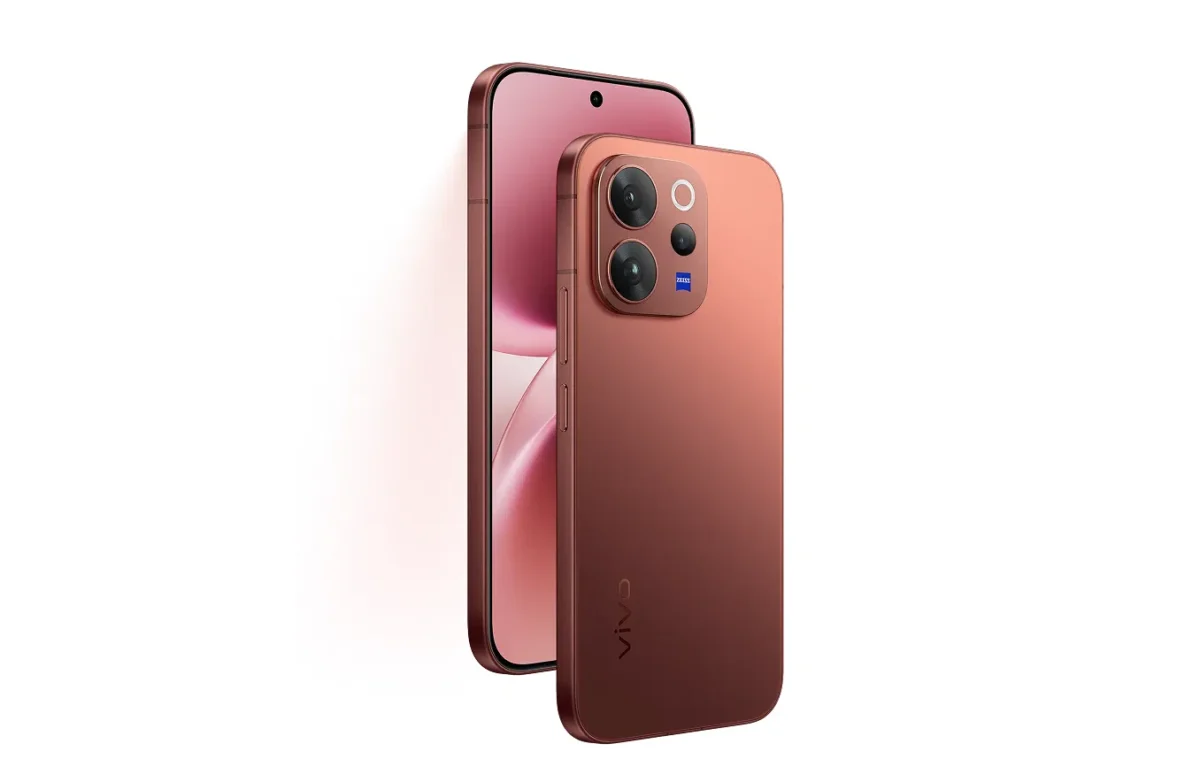
Vivo V70 Elite Review (2026): Premium Ambitions, Practical Trade-offs, and the Real Value Question

The Vivo V70 Elite marks a turning point for Vivo’s V-series. What began years ago as a stylish mid-range lineup has now stepped firmly into premium territory, with the V70 Elite priced at ₹51,999 in India. That places it squarely in competition with established premium devices from OnePlus, Motorola, and even Vivo’s own X-series. This review takes a deep, experience-driven look at the Vivo V70 Elite. Rather than focusing on marketing claims, it examines how the phone performs in real-world usage—covering design, display, software, performance, cameras, battery life, and long-term value. The goal is simple: help you decide whether the Vivo V70 Elite truly earns its premium price tag in 2026. Positioning and Context: Where the Vivo V70 Elite Fits in 2026 The smartphone market in 2026 is under pressure. Rising memory prices, more expensive chipsets, and increasing expectations from buyers have pushed many brands into uncomfortable pricing zones. Devices that once sat comfortably in the mid-range now flirt with flagship pricing. Vivo’s response has been to diversify the V-series. The standard V70 exists mainly to maintain the lineup, while the V70 Elite is designed to push the brand into the sub-₹60,000 premium segment. This is a bold move, because buyers at this price point expect more than just good design—they want consistency across performance, cameras, software support, and durability. Design and Build Quality: Premium Done Right One of the strongest aspects of the Vivo V70 Elite is its physical design. A Compact Premium Approach Unlike many large and bulky premium phones, the V70 Elite adopts a compact flagship-style form factor. With dimensions of approximately 157.5 × 74.3 × 7.6mm and a weight of around 194g, it feels noticeably easier to handle than many competitors. The phone features: This is not a phone that screams for attention, but it quietly communicates quality. In hand, it feels solid, balanced, and expensive. Durability and Protection The Vivo V70 Elite carries IP68 and IP69 ratings, making it resistant to dust and high-pressure water jets. This level of durability is still rare outside true flagship devices and adds significant long-term value. While water damage is not typically covered under warranty, the peace of mind offered by this rating is undeniable—especially for users who travel or use their phones in challenging environments. Display: Excellent Quality with a Minor Design Quirk The display is another highlight, though not without a caveat. Display Specifications Real-World Viewing Experience Color reproduction is natural, brightness levels are strong, and sharpness is excellent for daily use, media consumption, and gaming. HDR content on supported OTT platforms looks vibrant and immersive. However, the aggressively rounded display corners slightly reduce usable screen area. Text and UI elements sometimes appear too close to the edges, particularly in the status bar and during gaming. This doesn’t ruin the experience, but it does make the interface feel a bit cramped on an otherwise premium display. The ultrasonic in-display fingerprint sensor is fast, reliable, and works even with slightly wet fingers—an upgrade over optical sensors. Software Experience: OriginOS 6 Brings a Fresh Identity The Vivo V70 Elite runs Android 16 with OriginOS 6, marking a clear departure from the brand’s older software identity. Customisation and Usability OriginOS 6 focuses heavily on personalisation: The interface draws inspiration from modern “glass-style” design trends but retains enough individuality to feel distinct. Navigation is smooth, and day-to-day usage feels responsive and enjoyable. Updates and Long-Term Support Vivo promises: This commitment is respectable, though some buyers in this price range may expect an extra year of OS updates. Still, it ensures that the V70 Elite remains secure and relevant for several years. Performance: Capable, but Not Class-Leading The Vivo V70 Elite is powered by the Snapdragon 8s Gen 3, paired with LPDDR5X RAM and UFS 4.1 storage. Daily Performance For everyday tasks—browsing, social media, multitasking, and video streaming—the phone performs flawlessly. Apps open quickly, background processes are handled efficiently, and the UI remains smooth. Gaming and Sustained Performance Gaming performance is good, but not exceptional for the price: This chipset feels more at home in so-called “flagship killer” devices than in true premium phones. While performance is more than sufficient for most users, power users may notice that rivals offer stronger raw performance at similar or slightly higher prices. Camera System: Strong Core, Weakest Link Exposed The camera setup is where the Vivo V70 Elite becomes more complex. Camera Hardware Overview Primary Camera Performance The main camera delivers reliable results: Images look natural rather than overly processed, which will appeal to users who prefer realistic photography. Telephoto Camera: Good but Inconsistent The 3× telephoto camera produces sharp images in daylight and handles portraits well. However, its camera-switching behavior can be frustrating. The phone sometimes struggles to decide when to use the telephoto lens versus a cropped main sensor, especially at close distances. This inconsistency can lead to softer images and disrupt the shooting experience. Ultrawide Camera: The Weakest Point The 8MP ultrawide camera is clearly out of place on a phone at this price. Images lack detail, suffer from distortion, and perform poorly in low light. This is the most noticeable compromise Vivo has made, and it significantly affects the phone’s overall camera credibility. Front Camera and Video The 50MP selfie camera with autofocus performs very well, delivering sharp selfies and reliable video calls. Video quality from the rear camera is solid in daylight, with good stabilization, but low-light video lacks detail and can appear overprocessed. Battery Life and Charging: Surprisingly Strong for a Compact Phone Despite its compact size, the Vivo V70 Elite houses a 6,500mAh silicon-carbon battery. Battery Performance Charging The absence of wireless charging is disappointing but not a deal-breaker, especially given the fast wired charging speeds. Audio and Connectivity Stereo speakers are loud but lean towards treble, lacking depth and bass. They are sufficient for casual media consumption but not standout for music lovers. Connectivity options are comprehensive, with strong call quality, reliable 5G performance, and stable Wi-Fi and Bluetooth connections. Value for Money: The Core Debate

Vivo V70 Elite Review (2026): Premium Ambitions, Practical Trade-offs, and the Real Value Question Read More »

PlayStation 5 in 2026: Latest Models, Features, Pricing, and Complete Buying Guide

Six years after its original launch, the PlayStation 5 still stands as one of the most powerful and desirable gaming consoles in the world. While many expected newer hardware to replace it by now, Sony has instead refined and upgraded the PS5 with smarter designs and stronger performance options, making it more relevant than ever in 2026. From lightning-fast SSD speeds and cinematic 4K graphics to immersive haptic feedback and an outstanding lineup of exclusive games, the PS5 continues to deliver a true next-generation experience. With the introduction of the PS5 Slim and the performance-focused PS5 Pro, buyers now have more choices depending on their budget and gaming needs. If you’re planning to buy a console this year, this complete guide covers everything you need to know — models, differences, specs, pricing (especially for India), and which version makes the most sense for you. PS5 Slim – Compact Design, Same Powerful Performance Sony introduced the PS5 Slim as a refined version of the original console, focusing on practicality rather than raw power. Instead of changing the internal hardware, Sony redesigned the body to be smaller, lighter, and easier to place in modern entertainment setups. The Slim model is roughly 30% smaller in volume and 25% lighter, making it far more space-friendly. If the original PS5 felt bulky or oversized, the Slim solves that problem beautifully. It blends better into living rooms and desks without sacrificing performance. Another meaningful upgrade is storage. The Slim comes with a full 1TB SSD, compared to the older 825GB drive. Considering modern games often exceed 100GB each, this extra space makes a noticeable difference in daily use. Sony also introduced a clever modular system. The Digital Edition doesn’t include a disc drive by default, but you can attach one later. This flexibility allows buyers to start cheaper and upgrade when needed. Importantly, performance remains identical to the original PS5. Games load just as fast, run just as smoothly, and look just as stunning. For most people in 2026, the PS5 Slim is simply the smartest and most balanced option. PS5 Pro – Next-Level Power for Enthusiasts For gamers who demand the absolute best visual quality and performance, Sony launched the PS5 Pro. This is not just a cosmetic refresh — it is a true hardware upgrade built for high-end gaming. The PS5 Pro features a significantly stronger GPU with more compute units and faster memory bandwidth. Sony claims up to 45% faster graphics rendering, and in real-world gameplay, this translates into higher frame rates, sharper textures, and more detailed environments. Ray tracing has also been enhanced, allowing more realistic lighting, reflections, and shadows. Additionally, Sony introduced AI-powered upscaling technology that intelligently improves image clarity, making games look closer to native 4K even when rendered internally at lower resolutions. Storage gets a big boost too, with a 2TB SSD, ensuring you rarely worry about space. However, there’s an important caveat for Indian buyers. The PS5 Pro has not officially launched in India yet due to Wi-Fi 7 regulatory issues. Imported units are available but priced extremely high, often exceeding ₹85,000. At that cost, it becomes a luxury purchase rather than a practical one. Unless you are a hardcore enthusiast with a premium display and budget to spare, the standard Slim offers far better value. Performance and Real-World Gaming Experience Under the hood, the PlayStation 5 remains a technical masterpiece. Its custom AMD processor and ultra-fast NVMe SSD eliminate one of the biggest frustrations of previous generations — loading times. Games boot within seconds. Fast travel feels instant. Large open worlds load seamlessly without interruptions. The difference compared to older consoles is dramatic. Visually, the PS5 supports 4K resolution, up to 120Hz refresh rates, ray tracing, and HDR, delivering sharp and cinematic graphics. Many games now offer multiple modes, allowing players to choose between higher frame rates or maximum visual fidelity. Perhaps the most unique part of the PS5 experience is the DualSense controller. Instead of traditional vibration, it uses advanced haptic feedback and adaptive triggers. You feel tension when drawing a bow, resistance while accelerating a car, or subtle environmental textures under your fingers. These small details create a deeper sense of immersion that other consoles simply don’t replicate. Disc vs Digital – Which Edition Should You Choose? Choosing between Disc and Digital editions ultimately comes down to how you buy and play games. The Disc Edition includes a 4K Ultra HD Blu-ray drive. This allows you to play physical games, buy used discs, borrow from friends, or watch Blu-ray movies. It offers more flexibility and can save money in the long run. The Digital Edition, on the other hand, removes the disc drive entirely. All games must be downloaded from the PlayStation Store. While this makes the console slightly cheaper and sleeker, you lose the ability to use physical media. If you prefer convenience and always buy online, Digital works perfectly. But if you value ownership, resale, or cheaper second-hand games, the Disc version is the better investment. Game Library – Stronger Than Ever One of PlayStation’s biggest strengths remains its exclusive games. Sony’s first-party studios consistently deliver blockbuster titles that define the console. Hits like God of War Ragnarök, Spider-Man 2, Horizon Forbidden West, Gran Turismo 7, Final Fantasy VII Rebirth, and The Last of Us Remastered continue to attract millions of players. Upcoming releases promise even more excitement. Additionally, the PS5 supports nearly the entire PS4 game library, meaning your older purchases remain playable and often run smoother thanks to performance boosts. Simply put, there’s never a shortage of great games on PS5. Pricing and Availability in India (2026) Current approximate pricing: • PS5 Slim Digital – ₹44,990• PS5 Slim Disc – ₹54,990• PS5 Pro (imported) – ₹85,000+ Major sales events on Amazon or Flipkart sometimes offer discounts or bundles. Always buy from authorized sellers to ensure warranty coverage and avoid grey-market risks. Final Verdict – Is the PS5 Still Worth Buying in 2026? Absolutely. The PlayStation 5 remains one of the

PlayStation 5 in 2026: Latest Models, Features, Pricing, and Complete Buying Guide Read More »

Infinix NOTE Edge full series color variants

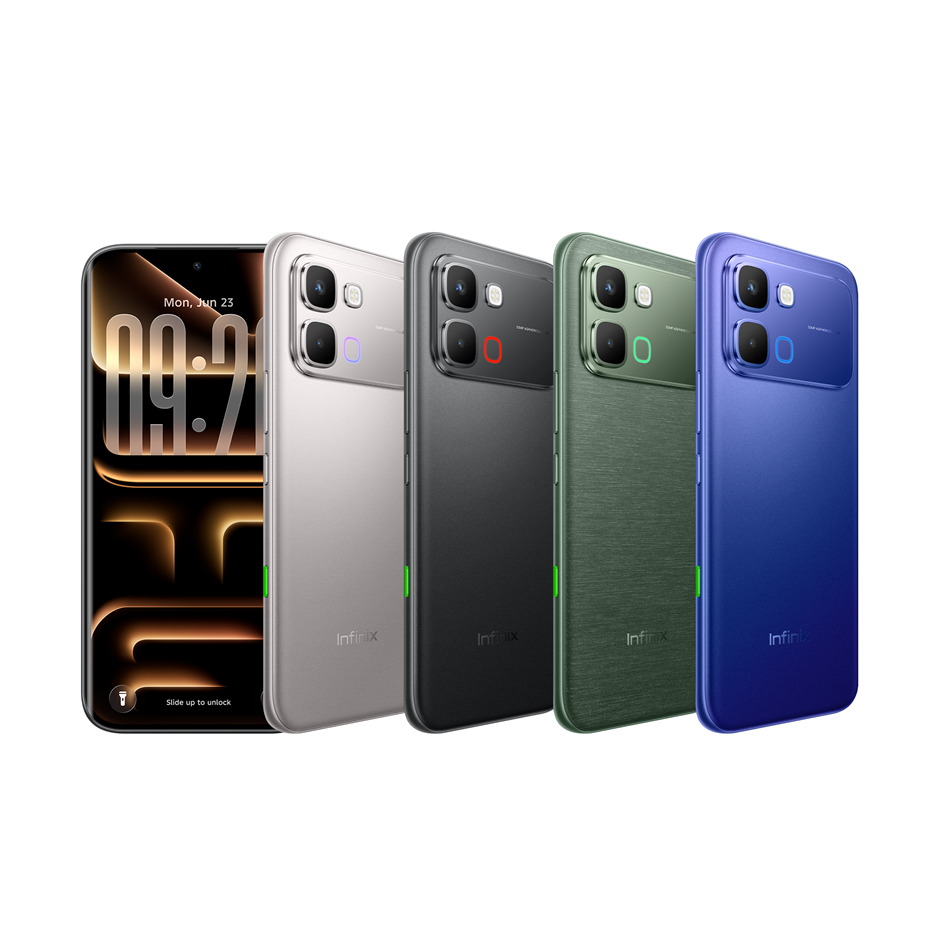
Infinix Note Edge 5G set to launch in India on February 18 with 6500mAh battery and 50MP camera

Infinix continues to strengthen its presence in India’s competitive mid-range smartphone segment, and now the company is preparing to introduce another feature-packed device. The brand has officially confirmed that the Infinix Note Edge 5G will launch in India on February 18, bringing a combination of a large battery, modern curved design, capable processor, and 5G connectivity at an expected affordable price. Over the past few years, Infinix has built a reputation for offering strong specifications at aggressive pricing. This time, however, the company is not only focusing on performance and battery life but also emphasizing premium design elements that are usually seen in higher-end smartphones. As a result, the Note Edge 5G aims to deliver both style and substance for everyday users. Let’s take a detailed look at everything the upcoming smartphone offers. Launch Date and Availability To begin with, Infinix has scheduled the official India launch for February 18. The device will be available for purchase through Flipkart, where a dedicated microsite has already gone live. The listing reveals multiple design highlights and confirms that the phone will arrive in three attractive colors: Each variant features a unique finish, giving the smartphone a more refined and premium appearance compared to typical budget devices. Premium Design with Slim Profile Unlike many phones in the mid-range category that focus only on hardware, Infinix has paid special attention to aesthetics. The Note Edge 5G features a slim 7.2mm body, making it comfortable to hold and easy to use for long durations. Moreover, the curved edges blend smoothly into the frame, offering a flagship-like feel in hand. This design choice not only improves ergonomics but also enhances the overall visual appeal. Users who prefer sleek and modern smartphones will likely appreciate this approach. Additionally, the rear panel includes an RGB Halo Light notification system, which lights up for calls, alerts, and charging. This small yet stylish touch helps the phone stand out from competitors. 1.5K 3D Curved AMOLED Display Moving on to the front, the display is easily one of the biggest highlights of the device. Infinix equips the phone with a 1.5K resolution 3D Curved AMOLED display, which promises vibrant colors, deeper blacks, and an immersive viewing experience. Furthermore, the screen supports up to 4,500 nits of peak brightness. This means users can comfortably view content even under direct sunlight. Whether you are watching movies outdoors, scrolling through social media, or gaming, visibility should remain clear. The company also includes TÜV Blue Light certification to reduce eye strain during long usage sessions. At the same time, Corning Gorilla Glass 7i protection safeguards the display against scratches and minor drops. Together, these features make the screen both beautiful and durable. Reliable Performance with Dimensity 7100 Performance plays a crucial role in everyday smartphone usage. To ensure smooth operation, Infinix powers the Note Edge 5G with the MediaTek Dimensity 7100 chipset. This processor handles daily tasks such as browsing, streaming, and social media effortlessly. At the same time, it provides enough power for multitasking and moderate gaming sessions. Users can switch between apps without noticeable lag. According to the company, the device scores around 750,000 points on AnTuTu, which places it comfortably in the strong mid-range category. Therefore, most users should experience fast and stable performance without slowdowns. In addition, 5G support ensures faster downloads, lower latency, and improved network reliability for future-ready connectivity. 50MP Camera for Detailed Photography Photography enthusiasts will find a capable camera setup on the Note Edge 5G. The smartphone features a dual rear camera system led by a 50MP primary sensor. This main camera captures detailed and sharp images in daylight conditions. Colors appear natural, and dynamic range remains balanced. As a result, users can take clear landscape shots, portraits, and everyday photos without much effort. Meanwhile, the 13MP front camera handles selfies and video calls. It produces decent skin tones and clear facial details, making it suitable for social media sharing and virtual meetings. Overall, the camera setup focuses on practicality rather than gimmicks, which most users will appreciate. Massive 6500mAh Battery for Long Usage Perhaps the most impressive feature of the Infinix Note Edge 5G is its large 6500mAh battery. In an era where many smartphones struggle to last a full day, this device promises extended endurance. Under normal usage, the phone can easily run for more than a day and a half, and light users might even stretch it to two days. This makes it ideal for travelers, gamers, and heavy content consumers. Furthermore, Infinix includes 45W fast wired charging. So, even when the battery runs low, users can quickly recharge and get back to their tasks without long waiting times. This combination of big battery and fast charging adds significant convenience. Audio, Durability, and Extra Features In addition to the core specifications, Infinix also includes several useful extras. The phone features JBL-tuned dual stereo speakers, which deliver louder and clearer sound compared to standard single-speaker setups. This improves the overall experience while watching videos or playing games. Moreover, the device comes with IP65 dust and splash resistance, offering basic protection against accidental spills and light rain. While it is not fully waterproof, it still provides added peace of mind. Small additions like these enhance everyday usability and make the device feel more complete. Expected Price in India Globally, the Infinix Note Edge 5G launched at a price equivalent to around ₹18,000. In India, the company is expected to price it under ₹20,000. If this pricing strategy holds, the phone will compete directly with other mid-range 5G smartphones from brands like Redmi, Realme, and iQOO. However, its curved AMOLED display and large battery may give it a slight edge. Final Verdict All things considered, the Infinix Note Edge 5G appears to be a well-balanced smartphone that focuses on what most users truly need: long battery life, smooth performance, a bright display, and a capable camera. Instead of chasing unnecessary features, Infinix delivers practical improvements that enhance real-world usage. Consequently, the phone could appeal strongly to

Infinix Note Edge 5G set to launch in India on February 18 with 6500mAh battery and 50MP camera Read More »

Samsung galaxy s26 series launch 2026

Samsung Galaxy Unpacked 2026: Everything We Know About the Galaxy S26 Series, AI Upgrades, New Devices and What It Means for Buyers

Samsung has officially confirmed the date for its first major smartphone event of 2026, and as expected, it’s shaping up to be one of the biggest tech launches of the year. The company’s next Galaxy Unpacked event will take place on February 25 in San Francisco, where Samsung is widely expected to introduce the highly anticipated Galaxy S26 lineup alongside new AI features, software improvements and possibly updated accessories. Every year, Samsung’s S-series launch sets the tone for the entire Android flagship market. Competitors watch closely, consumers wait for upgrades and the industry treats Unpacked like the starting gun for the premium smartphone race. This year feels even more important, thanks to growing pressure from Apple, rapid progress in artificial intelligence and increasing expectations from users who want more than just minor hardware refreshes. If you’re planning to buy a flagship phone in 2026, this event could directly influence your decision. Here’s a complete, detailed look at everything we currently know and what we realistically expect from Samsung’s Galaxy S26 series. When Is Galaxy Unpacked 2026 Happening? Samsung confirmed that Galaxy Unpacked will be held on February 25, 2026, with the keynote starting at 10 a.m. Pacific Time. Like previous events, it will be livestreamed globally on Samsung’s official website, newsroom and YouTube channel. The company’s teaser heavily emphasizes artificial intelligence, hinting at “a new phase where AI becomes truly personal and adaptive.” That messaging alone tells us that Samsung isn’t focusing only on hardware this year. Instead, the spotlight will likely be on how smart software can improve everyday phone use. The timing is also strategic. The event lands just before Mobile World Congress in Barcelona, allowing Samsung to grab attention early and dominate tech headlines before other Android brands make their announcements. The Galaxy S26 Lineup at a Glance Samsung is expected to stick with its familiar three-model strategy: This structure has worked well for years. The standard model appeals to most users, the Plus offers a bigger screen and battery and the Ultra delivers cutting-edge features for power users. While early leaks suggest we shouldn’t expect a dramatic redesign, meaningful improvements under the hood could make this generation more exciting than it first appears. Galaxy S26: A Refined Everyday Flagship The standard Galaxy S26 will likely continue Samsung’s recent design language: flat edges, a clean back panel and individually housed camera lenses. Over the past few years, Samsung has moved away from flashy redesigns and focused more on polish and durability. That approach is expected to continue. Reports suggest the phone may feature a slightly larger 6.3-inch display, compared to the previous 6.2-inch screen. It’s a small change on paper, but even a few extra millimeters can make videos, games and reading more comfortable. Performance upgrades will be the real story. In major markets like the US and China, Samsung is expected to use Qualcomm’s latest flagship chip, likely the Snapdragon 8 Elite Gen 5. Other regions may receive Samsung’s in-house Exynos processor. Either way, users should see faster speeds, better battery efficiency and stronger AI processing. Memory is expected to start at 12GB of RAM, which is more than enough for heavy multitasking. Storage options may include 256GB and 512GB variants. Battery capacity could increase slightly to around 4,300mAh, offering longer daily use without needing frequent charging. Camera hardware may remain similar to last year’s setup, but improvements in image processing and AI photography could still deliver better results. Night shots, portraits and video stabilization may benefit most from software enhancements rather than new sensors. For most people, this will likely be the sweet spot of the lineup: powerful, modern and slightly more affordable than the bigger models. Galaxy S26+: Bigger Screen, Bigger Battery The Galaxy S26+ is expected to follow a simple formula: everything the S26 offers, just larger. With a rumored 6.7-inch display, this model is designed for users who watch lots of content, play games or simply prefer a bigger screen. The larger body also allows space for a bigger battery, which could be around 4,900mAh. Design changes are expected to be minimal. Samsung has already found a comfortable balance between size and weight in its Plus devices, so there’s little reason to fix what isn’t broken. Like the standard model, the S26+ will likely feature the same chipset, similar cameras and identical software features. The biggest benefits will be screen size and battery life. If you like big phones but don’t want to pay Ultra prices, this could be the most practical option. Galaxy S26 Ultra: Samsung’s True Flagship The Galaxy S26 Ultra is where Samsung traditionally shows everything it’s capable of. And this year should be no different. The Ultra model is expected to include: Rumors suggest the camera system may receive the most attention. Samsung faces growing competition in mobile photography, so improvements to sensors, zoom capabilities and image processing could be key selling points. One interesting report claims Samsung may adjust how the S Pen works internally. By removing or redesigning certain layers inside the display, the phone might better support the Qi2 wireless charging standard. That could allow magnetic accessories and improved charging alignment — something many users have wanted for years. There’s also talk of Samsung switching back to an aluminum frame for weight reduction while maintaining durability. The Ultra will likely remain Samsung’s most expensive phone, but it’s also the device that showcases everything new and experimental. AI Takes Center Stage in 2026 Artificial intelligence is expected to be the biggest theme of the entire event. Samsung has already introduced “Galaxy AI” features in recent models, but this year could take things further. Instead of cloud-based tools, more processing may happen directly on the device, which means faster performance and better privacy. Possible AI upgrades include: There are also reports that Samsung may integrate additional AI partnerships beyond Google. If true, that could bring new search tools or smarter system-wide assistance features. The goal seems clear: make the phone feel more helpful and personalized, rather

Samsung Galaxy Unpacked 2026: Everything We Know About the Galaxy S26 Series, AI Upgrades, New Devices and What It Means for Buyers Read More »

Best AI Tools for Students in 2026: A Complete Guide to Smarter Learning, Better Grades & Future Skills

Artificial Intelligence has quietly become a part of everyday student life. What once sounded like advanced technology reserved for engineers or research labs is now sitting inside laptops, smartphones, and even note-taking apps. In 2026, AI is no longer optional for students — it is a support system shaping how learning happens. From explaining difficult concepts to improving writing, managing schedules, and preparing for careers, AI tools are changing the academic experience. However, with opportunity also comes confusion. Many students still wonder whether using AI is safe, ethical, or even allowed. Others fear becoming dependent on tools instead of learning properly. This guide is written for students who want clarity, not hype. It explains the best AI tools for students in 2026, what they genuinely help with, where they fall short, and how to use them responsibly. The goal is simple: help students learn smarter, not cheat faster. Why Students Need AI Tools in 2026 Education in 2026 looks very different from a decade ago. Exams no longer test memorization alone. Colleges and universities now focus on application, reasoning, projects, presentations, and real-world problem solving. At the same time, syllabi are expanding, competition is rising, and students are expected to juggle academics with internships, skills, and personal growth. AI tools help students handle this pressure by acting as learning accelerators. They save time on repetitive tasks, explain topics in simpler language, and help organize information efficiently. Instead of replacing effort, they help students focus effort where it matters most — understanding and thinking. Importantly, governments and institutions are also encouraging digital literacy. India’s education policies and global education trends show that AI familiarity is becoming a core student skill. Avoiding AI completely may leave students underprepared, while blind dependence can weaken learning. The right approach lies in informed and ethical usage. Categories of AI Tools Every Student Should Know AI tools for students broadly fall into four categories: Let’s explore each category with the most useful tools students are using in 2026. AI Tools for Study and Concept Clarity Understanding concepts is the foundation of learning. AI tools in this category act like patient tutors who never get tired of questions. ChatGPT ChatGPT has become one of the most widely used AI tools among students. It helps explain topics in simple language, break complex ideas into steps, generate practice questions, and summarize chapters. Students often use it for humanities, commerce, management, economics, and basic programming. The free version is sufficient for everyday study, but answers should always be cross-checked with textbooks or teacher notes. ChatGPT works best as a concept clarifier, not a final authority. Wolfram Alpha Wolfram Alpha is especially valuable for science, mathematics, engineering, and statistics students. Unlike conversational AI, it focuses on accuracy and calculations. It shows step-by-step solutions, making it ideal for learning how a problem is solved rather than just getting the answer. Students often use it to verify homework, understand formulas, and practice numerical problems correctly. Google Gemini Google Gemini integrates AI into research and exploration. It helps students get structured overviews, definitions, and explanations when starting a new topic. Gemini is useful during early research stages but should guide reading rather than replace academic sources. AI Writing and Research Assistants Writing is one of the most challenging parts of academic life. AI writing tools help students improve clarity without taking over original thinking. Grammarly Grammarly checks grammar, spelling, clarity, and tone. What makes it valuable is that it explains why changes are suggested. This helps students learn better writing habits instead of blindly accepting corrections. Grammarly is widely accepted in academic environments when used for editing rather than content generation. QuillBot QuillBot helps paraphrase text and summarize long readings. Students use it for note-making and understanding complex material. However, ethical use is crucial. Paraphrased content should never be submitted without proper citation. Google Docs Google Docs includes AI features that help refine drafts and improve flow. These tools work best after students have written their own content. They polish language rather than create ideas from scratch. AI Productivity and Organization Tools Academic success depends heavily on time management and organization. AI productivity tools help students stay on track. Notion Notion AI combines note-taking, task management, and planning. Students use it to organize subjects, track deadlines, plan semesters, and collaborate on group projects. It is especially useful for students handling multiple courses. Microsoft Copilot Microsoft Copilot assists with Word, Excel, and PowerPoint tasks. Commerce, management, and professional-course students benefit from its ability to draft reports, analyze spreadsheets, and structure presentations efficiently. Otter.ai Otter.ai records and transcribes lectures, helping students revise complex explanations. It is useful for review purposes but should not replace active classroom listening. Task-Specific AI Tools Students Should Master Some AI tools shine in specific situations. ChatGPT can act as a mock interviewer during placement preparation. Notion AI helps track daily study habits. Wolfram Alpha verifies numerical answers. Visual tools like Canva help students create presentations, posters, and project visuals quickly. Together, these tools form a toolkit rather than a single solution. Free vs Paid AI Tools: What Students Actually Need Most students can meet their academic needs using free versions of AI tools. Paid plans become useful mainly during final-year projects, internships, or research-heavy semesters. Many companies offer student discounts or campus access. The smart approach is to start free, understand the value, and upgrade only when necessary. Ethical and Responsible Use of AI in Academics AI tools are meant to support learning, not replace it. Most universities allow AI for concept clarification, language improvement, and research assistance. Submitting AI-generated assignments as original work is generally prohibited. Responsible students use AI to learn better, verify facts, cite sources, and keep original thinking at the center of academic work. Choosing the Right AI Tools Based on Your Stream Arts and humanities students benefit most from writing and summarization tools. Commerce and management students gain from data analysis and presentation tools. Science and engineering students rely on problem-solving AI. Design and media

Best AI Tools for Students in 2026: A Complete Guide to Smarter Learning, Better Grades & Future Skills Read More »

Discord’s New Age Verification Sparks Massive Backlash: Users Furious Over Face Scans and Privacy Risks

For years, Discord has been more than just a messaging app. It has served as a digital home for millions of people — gamers coordinating late-night matches, students running study groups, developers collaborating on projects, and hobby communities sharing ideas. The platform grew popular because it felt simple, private, and free from unnecessary barriers. Now, that trust is being tested. Starting March 2026, Discord is introducing mandatory age verification checks for users worldwide. The company says the move is designed to make the platform safer for teenagers. But instead of reassurance, the announcement has triggered one of the strongest negative reactions Discord has ever faced. Many users are calling it invasive, unnecessary, and even dangerous for their privacy. What was meant to be a safety feature has quickly turned into a full-blown controversy. What exactly is changing? Discord plans to roll out what it calls “teen-by-default” settings for both new and existing accounts. In simple terms, users will now need to verify their age before accessing several parts of the platform. Until verification is complete, many features will remain restricted. This includes entry into age-restricted servers or channels, viewing sensitive content, accepting direct messages from unknown users, and speaking in certain stage or community areas. For a service built around open communication, these limitations feel significant. To unlock full access, users must either submit a short video selfie for facial age estimation or upload a government-issued ID through Discord’s verification partners. While the process may sound straightforward, it’s this very requirement that has made people uncomfortable. For many, handing over biometric data or identity documents to a chat app simply feels like crossing a line. Why are users so upset? The backlash isn’t just mild criticism — it’s genuine frustration. Across forums and social media, long-time Discord users are questioning whether the platform still respects their privacy. The biggest concern is trust. Last year, Discord disclosed that one of its third-party vendors experienced a security breach. Even though the company says it has stopped working with that vendor, the memory is still fresh. Asking users to share their face scans or government IDs after a past security incident has naturally raised red flags. People worry that if such sensitive information were leaked, the damage could be permanent. Unlike passwords, biometric data cannot be changed. You can reset a login, but you cannot reset your face or identity. That permanence is what makes many users nervous. There is also an emotional aspect. Some adults who have used Discord for years feel insulted by being asked to “prove” they are grown-ups. Others feel that the internet is slowly losing anonymity, which was once one of its defining freedoms. Instead of feeling safer, they feel monitored. Discord’s response and assurances Discord has tried to calm concerns by explaining how the system works. According to the company, facial age checks happen directly on the user’s device, and identity documents submitted to partners are deleted shortly after verification. Discord also says it has upgraded vendors and strengthened safeguards to avoid previous security problems. On paper, these steps sound responsible. But in today’s digital climate, promises alone don’t easily rebuild trust. After years of high-profile data leaks across the tech industry, many users have become cautious about sharing any personal information online. For them, even a small risk feels unnecessary. Why is Discord doing this now? The move isn’t happening in isolation. Governments around the world are tightening online safety rules, especially for platforms that host potentially sensitive or adult content. Laws in the UK, parts of Europe, and the US increasingly require services to verify that underage users are protected. In that sense, Discord is responding to regulatory pressure as much as internal policy. The company likely sees age verification as a way to comply with these laws while avoiding legal trouble. However, while regulators focus on safety, users are focusing on privacy. And balancing those two goals is proving difficult. Are people really leaving Discord? Some users have already started exploring alternatives. A few older platforms are being mentioned again, including TeamSpeak, which many gamers used before Discord became popular. Privacy-focused options like Matrix (protocol) and secure messengers such as Signal are also getting attention. Still, none of these services offer the same mix of community tools, voice chat, bots, and ease of use that Discord provides. For now, there isn’t a perfect replacement. That’s why many users feel stuck — unhappy with the changes, but reluctant to leave the communities they’ve built over years. The bigger debate: safety vs privacy At its core, this controversy reflects a larger issue facing the entire internet. Platforms want to protect young users and satisfy regulators. At the same time, people want less surveillance and more control over their personal data. Both sides have valid arguments. Teen safety is important, but so is digital privacy. The challenge is implementing protections without making users feel like suspects. Right now, many Discord users believe the balance has tipped too far. Final thoughts Discord earned its popularity by being easy, open, and community-driven. Mandatory age verification changes that relationship. For some, it may feel like a small inconvenience. For others, it feels like a betrayal of trust. Whether this decision ultimately improves safety or drives users away remains to be seen. But one thing is certain: when privacy feels threatened, communities react strongly. And Discord is now experiencing that reaction firsthand.

Discord’s New Age Verification Sparks Massive Backlash: Users Furious Over Face Scans and Privacy Risks Read More »

Apple to Launch Budget iPads, iPhone 17e, and New Macs Soon: Here’s Everything We Know So Far

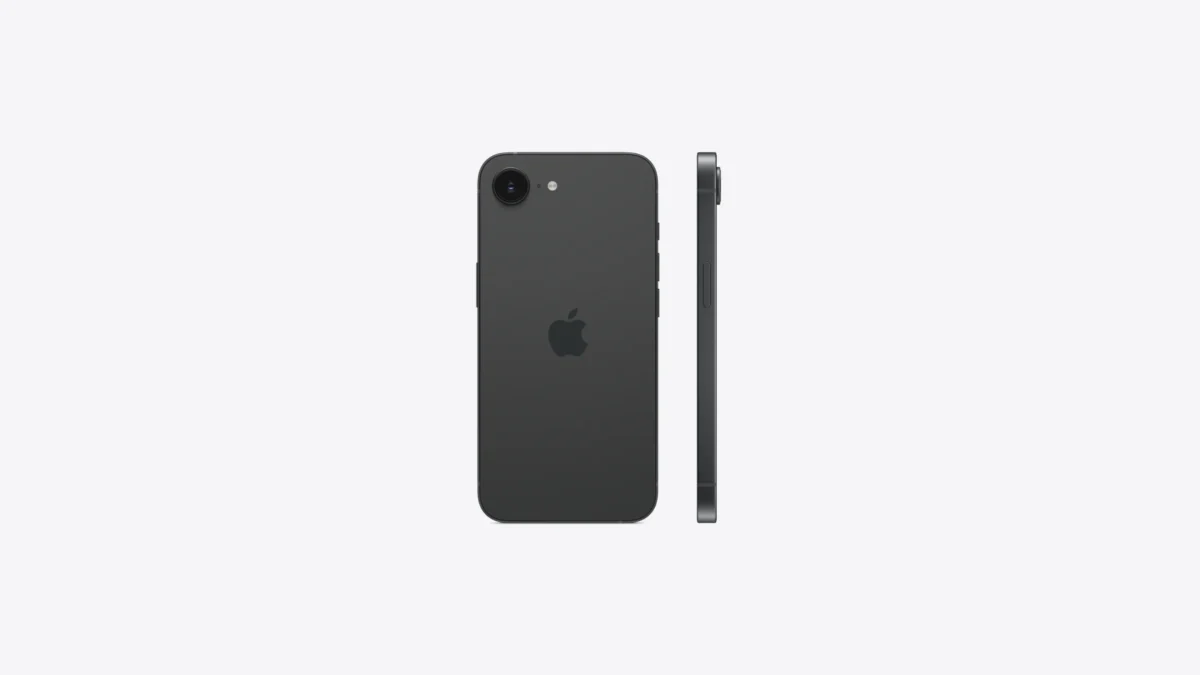
Apple is gearing up for one of its busiest product launch cycles in recent years. Over the next few weeks, the company is expected to introduce a refreshed lineup of devices, including the iPhone 17e, new budget iPads, upgraded MacBooks, and fresh software updates. Unlike Apple’s usual premium-focused strategy, this time the spotlight appears to be on affordable hardware and practical upgrades. The upcoming launches suggest that Apple wants to attract more first-time buyers, students, and business users — especially in price-sensitive markets like India. Here’s a complete look at what Apple is reportedly planning and what users can expect. iPhone 17e: Apple’s Affordable iPhone Gets Meaningful Upgrades The biggest highlight of this launch cycle is expected to be the iPhone 17e, which will replace last year’s iPhone 16e. While Apple markets the “e” series as its budget iPhone, it has never really been cheap. Instead, it serves as an entry point into the Apple ecosystem for users who want an iPhone without paying flagship prices. This year, however, the iPhone 17e could feel much closer to the standard models. Expected upgrades include: The addition of MagSafe could be one of the most important improvements. Many users skipped the iPhone 16e because it lacked this feature, which allows magnetic chargers, wallets, and accessories to snap on easily. Despite the hardware boost, Apple is expected to keep pricing around $599 (₹59,900 in India). If true, this would make the iPhone 17e a much better value than its predecessor. Launch timeline Reports suggest Apple may announce the device through a press release in late February, similar to how the 16e was launched last year. Budget iPads Get Faster, Not Flashier Alongside the new iPhone, Apple is also preparing updates to its iPad lineup, but don’t expect a design overhaul. This year’s changes are likely to focus on performance rather than looks. What’s coming: The base iPad moving to the A18 chip is particularly important. It could bring Apple Intelligence features to cheaper models for the first time, making them more capable for study, office work, and everyday productivity. Instead of flashy redesigns, Apple seems focused on making its tablets faster, smarter, and more future-ready. Macs: New Chips, More Power, and a Cheaper MacBook Apple’s Mac lineup is also getting attention in early 2026. Expected launches: But the most interesting addition could be a low-cost MacBook. According to leaks, Apple is working on a smaller MacBook powered by an iPhone-class chip. This device could compete directly with Chromebooks and budget Windows laptops, making macOS more accessible to students and organizations. If priced right, this could be Apple’s most affordable laptop ever — something many users have been asking for years. Software Updates Also on the Way Hardware isn’t the only focus. Apple is preparing iOS 26.4, which is expected to include early improvements to Siri. The company has been working on making Siri smarter and more conversational, possibly bringing chatbot-style responses similar to AI assistants. The first developer beta may roll out by the end of February. While Apple will reveal more at WWDC later this year, current updates are expected to focus on: In short, refinement over flashy changes. Why Apple Is Focusing on Budget Devices Now The strategy behind these launches is clear. Smartphones and laptops are becoming more expensive every year, and many users simply don’t want to spend flagship-level money. At the same time, competitors like Google and Samsung are pushing aggressively into the mid-range segment. Apple seems ready to respond by offering: The iPhone 17e and budget iPads could play a huge role in expanding Apple’s user base, especially in emerging markets. What’s Coming Later in 2026? This early-year refresh is just the beginning. Reports suggest Apple may also launch: So 2026 could turn out to be one of Apple’s biggest years yet. Final Thoughts Apple’s upcoming launch cycle feels different. Instead of chasing only premium buyers, the company appears focused on practical upgrades and wider accessibility. Devices like the iPhone 17e, faster iPads, and a cheaper MacBook show that Apple wants to bring more people into its ecosystem without forcing them to spend top dollar. If the leaks hold true, the next few weeks could be exciting not just for Apple fans, but also for anyone looking for powerful tech at more reasonable prices. Official Apple website:https://www.apple.com Apple Newsroom:https://www.apple.com/newsroom

Apple to Launch Budget iPads, iPhone 17e, and New Macs Soon: Here’s Everything We Know So Far Read More »